


- Blog
- Good practices
- What is a zero-waste lifestyle?
What is a zero-waste lifestyle?
- 05/03/2026
- Magda Cebrián
Browse through the publication
Priority in rejection
The basis of the movement is learning to say “no” to what we don’t need: advertising leaflets, free samples, single-use bags, or plastic straws.
Inspiring examples
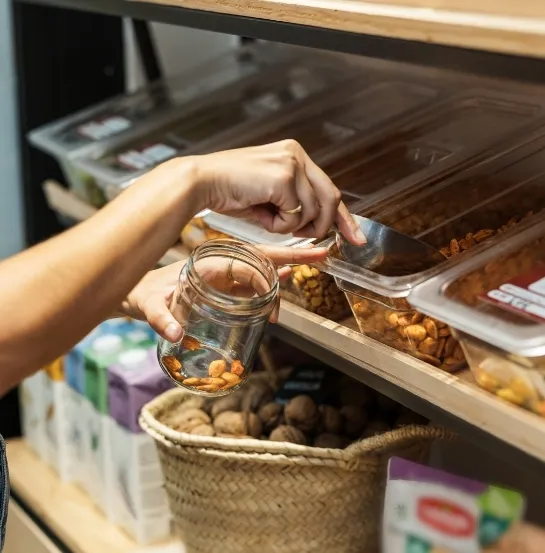
⚖️ The proliferation of bulk stores (such as Granel or Granel de la Villa ).
🛑 Reject unwanted advertising: leaflets, envelopes with political ads, or catalogs that end up in the trash unopened. To prevent this, you can put a sign on your mailbox that clearly says “No advertising, thank you.”
💡 Saying no isn’t rude, it’s being selective . Every time you say “no” to something you don’t need, you’re saying “yes” to a cleaner space, a less cluttered mind, and a planet with less waste.
Image of a person buying in bulk
The transition to a Zero Waste model not only reduces plastic pollution in our oceans, but is key to curbing climate change, as it could reduce global greenhouse gas emissions by up to 20% by optimizing materials management.
Source: "Global Waste Management Outlook 2024" report by the United Nations Environment Programme (UNEP).
Reduction and Simplification
It’s about buying less and better, choosing durable products and prioritizing second-hand items.
Inspiring examples
📲 The rise of collaborative and secondhand platforms like Wallapop and Vinted has normalized giving objects a second life instead of buying new ones.
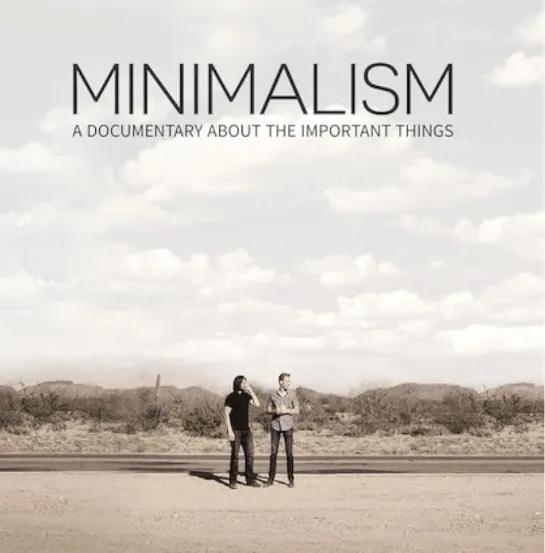
✋ The philosophy of minimalism trains you to pause and ask: Do I really need this? By eliminating the instant gratification of buying objects that will end up forgotten in a drawer, you drastically reduce the amount of packaging, plastic, and products that end up in the landfill.
🗄 Another technique that works is the ” capsule wardrobe “: it’s a strategy where you select a limited number of high-quality, versatile garments (usually between 30 and 40). This way you curb fast fashion and practice conscious consumption: you only replace a garment when it’s truly worn out.
Cover of the documentary “Minimalism”
Promoting Repair and Reuse
Before throwing something away because it’s broken, the Zero Waste style seeks to fix it or give it a different use.
Inspiring examples
🛠 Restart Parties or “Repair Markets” are organized in cities like Barcelona and Madrid where volunteers teach citizens how to repair their electronic devices.
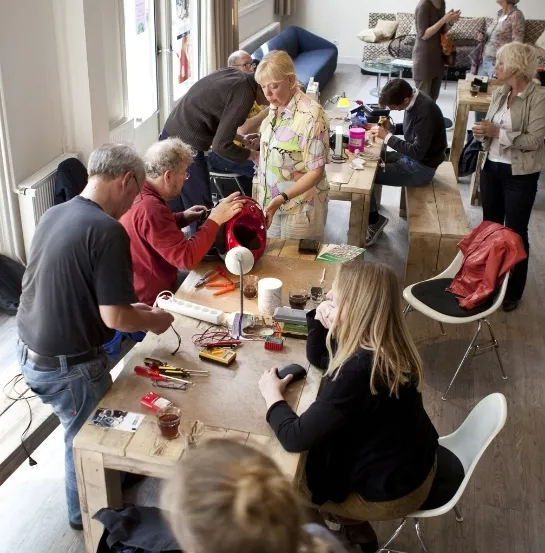
☕️ Repair Cafes are community meeting spaces where people gather to repair their belongings for free, with the help of expert volunteers and appropriate tools. The idea originated in Amsterdam in 2009, and there are nearly 4,000 worldwide.
🤝 Swap Markets are spaces where people exchange objects, clothes, books, toys, or services without needing to buy new products. What one person no longer needs can still have value for another. The Xarxa Cesca de Barcelona organizes the Money-Free Market every month to give objects and clothing a second life.
Image of a Repair Cafe
Composting of Organic Matter
Returning to the earth what belongs to the earth. Food scraps make up almost 40% of our trash.
Inspiring examples
🐛 The Madrid Urban Garden Network: gardens that use compost generated from local organic waste.
♻️ AbonoKM0 produces compost generated by restaurants and establishments in Barcelona.
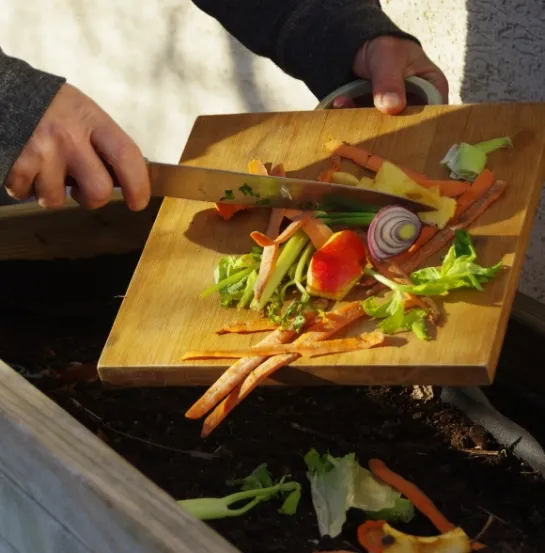
🏠 You can also compost organic waste at home. Many cities offer a discount on your garbage collection fee for home composting . In some cases, such as Terrassa, a 50% discount is offered on the waste management fee.
Image of a person making homemade compost
Redesign and Circular Economy
Zero Waste encourages companies to design products with their end of life in mind.
Inspiring examples
📱 The Dutch brand Fairphone leads the way in modular smartphone design, allowing users to replace components like screens or batteries themselves. The European Commission wants to force other brands to do the same, so by 2027 all mobile phones will be required to have removable batteries.
Another example of electronics where eco-design is at the center is Framework Laptop where each component (RAM, storage, ports, screen) can be replaced or upgraded individually.
In the textile sector there are also projects such as Mud Jeans , Patagonia Worn Wear or Adidas Futurecraft Loop that aim to repair or give a second life to garments and shoes to reduce waste and extend the useful life of the product.
Photograph of a laptop that can be repaired part by part
FAQs
It’s a philosophy that seeks to minimize the amount of waste and garbage we send to landfills or incineration. It’s not just about recycling better, but about redesigning our consumption habits based on the premise that the best waste is the waste that isn’t produced, prioritizing prevention and reuse.
Zero waste is based on five fundamental pillars that must be followed in this order:
Reject what we don’t need (like single-use plastics or advertising).
Reduce what we do need, opting for more conscious consumption.
Reuse and repair objects to extend their useful life.
Only recycle what we have not been able to refuse, reduce, or reuse.
Rot (Compost) the organic remains to return nutrients to the soil.
Not at all. The goal isn’t to generate “zero” waste overnight, but to make a gradual transition. It’s more effective for millions of people to imperfectly reduce their waste than for just a few to do it perfectly. Every small change in daily habits counts.
Adopting this lifestyle often leads to cost savings, as it avoids buying unnecessary products or those with superfluous packaging. Furthermore, it encourages a healthier diet (by buying fresh, bulk products) and promotes support for local businesses.
Ideally, you should start by analyzing what kind of waste you usually generate. Simple steps include bringing your own reusable bags when shopping, using reusable water bottles, buying in bulk whenever possible, and replacing disposable products with durable alternatives.
Summary and conclusions
Adopting a Zero Waste lifestyle isn’t a goal of absolute perfection, but a conscious path toward sustainability that you can take at your own pace. It’s about rethinking your relationship with consumption, transitioning from the linear “buy, use, and discard” model to a circular economy in your own home. By applying the 5 Rs in your daily life, you’ll see that your everyday choices—like choosing local businesses or opting for products that last a lifetime—have a real and direct impact on the health of the planet and the regeneration of your environment.
✅ Focus on prevention: Your greatest power is not in recycling better, but in preventing trash from entering your home by rejecting what you don’t need and reducing what you consume.
✅ Follow the 5 Rs roadmap: You have a clear guide for your decisions (Refuse, Reduce, Reuse, Recycle, and Compost). Remember that recycling is only a last resort.
✅ Enjoy the direct benefits: By taking this step, you not only take care of the environment; you will also notice savings in your pocket, improve your well-being and actively support the merchants in your community.
✅ Choose progress, not perfection: Don’t stress about being flawless. What the world needs is for you and many others to make conscious changes, even if they’re imperfect, to create a massive transformation.
💡 Want to learn more about the zero waste lifestyle?
At Go Zero Waste we organize training sessions and talks where we showcase objects and projects from Spain and around the world.
Magda Cebrián
Dedicated environmental consultant and entrepreneur based in Barcelona, specializing in sustainability, zero waste and circular economy.
- Corporate sustainability
- CSRD & ESG reporting
- Circular economy
- Environmental education
- Zero-waste programs
Related news
What is a zero-waste lifestyle?
Zero Waste is a movement that seeks to minimize our environmental footprint, not only by recycling, but by preventing waste from being generated in the first place. It is based…
Examples of sustainable activities that generate a large impact
Today we highlight key actions to promote sustainability and the circular economy. These include the transition to renewable energy, bulk and local consumption, and waste prevention. These initiatives not only…
How to reduce waste at school?
Discover how to reduce waste in an educational setting, whether it's a preschool, primary school, secondary school, or university. Improve sustainability in schools with practical case studies and our suggestions.