Ejemplos de actividades sostenibles que generan mucho impacto

Examples of sustainable activities that generate a large impact

Today we highlight key actions to promote sustainability and the circular economy. These include the transition to renewable energy, bulk and local consumption, and waste prevention. These initiatives not only reduce the carbon footprint but also provide significant economic and social benefits.

Browse through the publication

1

Transition to renewable energy ☀️

Replacing the energy mix with 100% clean sources (solar, wind) is the most direct way to reduce the carbon footprint of a home or organization. It’s not just a long-term cost saving, but also a massive elimination of greenhouse gas emissions.

Examples of companies leading the transition: 

🔎 Google : It was one of the pioneers in achieving 100% renewable energy for its global operations through power purchase agreements (PPAs). Now, its goal is to operate on carbon-free energy 24/7 by 2030. 

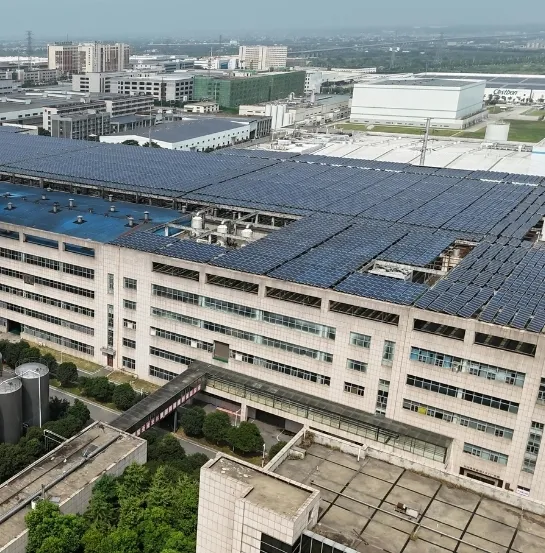
🏨 Meliá Hotels : An excellent example of transition in the service sector. They have installed photovoltaic panels in hotels such as the Meliá Madrid Alameda and the Meliá Cala Galdana (Menorca). In some cases, they have managed to recoup their investment in less than two years, drastically reducing their operating costs and carbon footprint in areas of high ecological value.

Transición hacia energías renovables

Example of a company that installs solar panels

2

Implementation of bulk and proximity purchasing systems

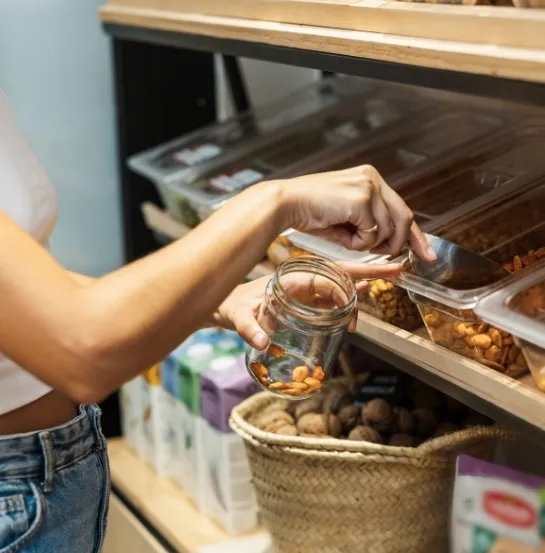
Eliminating packaging at the source has an exponential impact. Encouraging a community or business to buy in bulk from local producers not only eliminates tons of plastic, but also reduces transportation pollution and strengthens the local economy.

Examples of inspiring companies

🍑 Espigoladors (Proximity and Social Justice Model): This organization fights food waste by promoting local consumption. They collect “ugly” or surplus fruits and vegetables directly from local farmers (Km 0) that wouldn’t enter the conventional commercial circuit. They then use these to make natural preserves under the brand es im-perfect , reducing the impact of transportation and eliminating unnecessary packaging by selling their products in formats that prioritize the sustainability of the primary sector.

The Hive hat says Yes! (Local Consumption and Km 0) 🐝: This model is well-established and continues to expand. It directly connects consumers with local producers through “Hives” (neighborhood collection points). Since purchases are made on demand directly from the farmer or artisan, food waste and excessive supermarket packaging are eliminated, and the transportation footprint is minimized, as products travel from the farm to the neighborhood without passing through large logistics centers.

Implementación de sistemas de compra a granel y proximidad

Buying in bulk has a significant environmental impact

3

Transition to "Product as a Service" (Pay Per Use)

Instead of selling products, companies can offer services that integrate these same products while maintaining ownership and taking care of maintenance and final recycling.

Examples of inspiring casesEjemplos de casos insporadores

💡 Philips, with its Signify (Circular Lighting ) project, lets customers pay for the light, not the lamps. Philips ensures everything is efficient and repairable. This way, we can be sure the company manufactures products that last much longer, eliminating planned obsolescence 

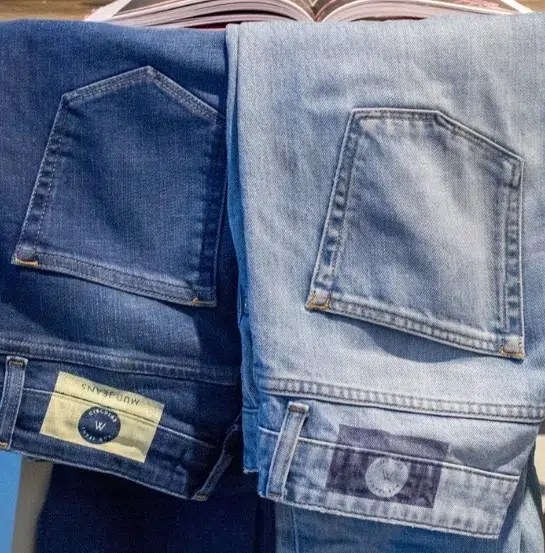
👖 Mude Jeans offers a “Lease a Jeans” program where customers pay a small monthly fee for a year. At the end of that period, they have three options: exchange them for a new pair, keep them until they wear out, or return them. 

When jeans are returned, Mud Jeans repairs them for resale as “vintage”. If they are too damaged, they shred them to mix the recycled cotton with virgin cotton and make new jeans. 

Transición hacia el _Product as a Service_ (Pago por Uso)

Modelos de Mud Jeans

4

Reverse logistics

Instead of sending products in cardboard boxes or plastic envelopes that the end customer ends up throwing away, companies can adopt reusable packaging systems that the customer returns after delivery

Examples of inspiring cases

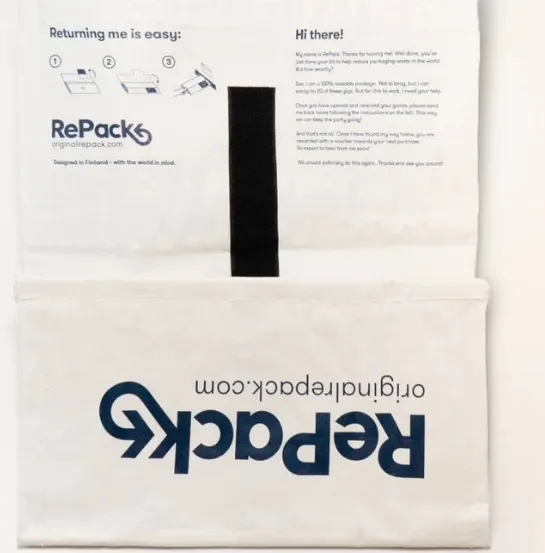
✉️ The company RePack works with e-commerce brands to use envelopes that can be folded and sent back through the mailbox to be reused. 

With just one reusable bag , you can eliminate the need for up to 50 cardboard boxes or plastic envelopes. 

🖨 HP Planet Partners : solves the problem of what to do with a complex waste product like used cartridges. HP makes it easy for businesses and individuals to return their used cartridges free of charge. They provide prepaid envelopes for mailings or install collection containers in offices and stores. 

Logística inversa

RePack Envelope

5

Waste audit

You can’t manage what you don’t measure. A waste audit is an in-depth diagnostic that identifies which resources are leaving the company as waste. Its importance lies in revealing operational inefficiencies : waste is often a resource for which the company has paid twice (when purchasing it and when managing its disposal). 

At Go Zero Waste we offer waste audit services for companies of all sizes. 

Examples of inspiring cases

📋 We conducted an on-site waste audit at Calmell oup , classifying and quantifying each waste stream. We discovered that a large portion of the waste in the residual waste stream was recyclable but had been improperly separated. We delivered a prioritized action plan and supported the team in its implementation to reduce waste and optimize costs.

Auditoria de Residuos

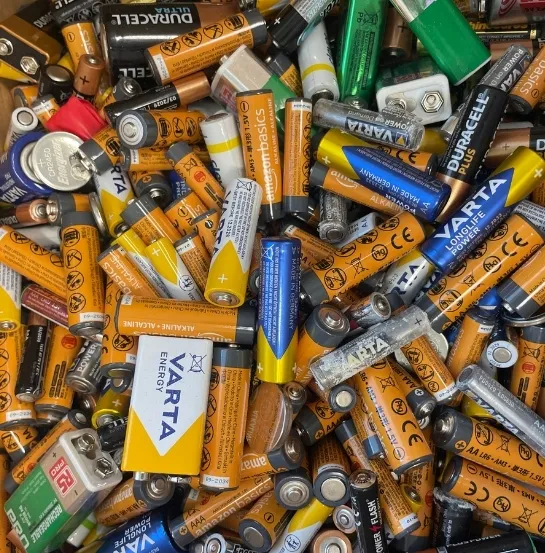
Las pilas, un residuo cada vez más evitable

6

Summary and conclusions

We analyze high-impact practical strategies for implementing the circular economy in different sectors, emphasizing that prevention and technological innovation are fundamental pillars for reducing the environmental footprint in a cost-effective and conscious manner.

✅ Energy transition: The move to 100% renewable sources (solar and wind) is presented as the most direct measure to eliminate massive emissions of greenhouse gases in homes and businesses.

✅ Local and bulk consumption: Eliminating packaging from the source and prioritizing “Km 0” products strengthens the local economy and drastically reduces pollution from transport and plastic.

✅ Waste prevention: The text emphasizes that the best waste management is to not generate it, proposing audits to optimize processes and prevent materials from becoming garbage.

✅ Shared responsibility: The transformation towards sustainability requires the active and coordinated participation of citizens, businesses, local councils and educational centers.

Related news

How to reduce waste at school?

Discover how to reduce waste in an educational setting, whether it's a preschool, primary school, secondary school, or university. Improve sustainability in schools with practical case studies and our suggestions.

What is furoshiki?

Furoshiki is an ancient Japanese technique for wrapping objects in a cloth. Originating in public baths, it evolved into a versatile form of transport. Today, it's a sustainable, zero-waste alternative…

Creative ideas for a local business campaign in small towns

A creative local commerce campaign promotes conscious consumption and the circular economy through routes, maps, and gamified challenges. It encourages buying locally, minimizes waste, and strengthens neighborhood identity. Through stamps,…