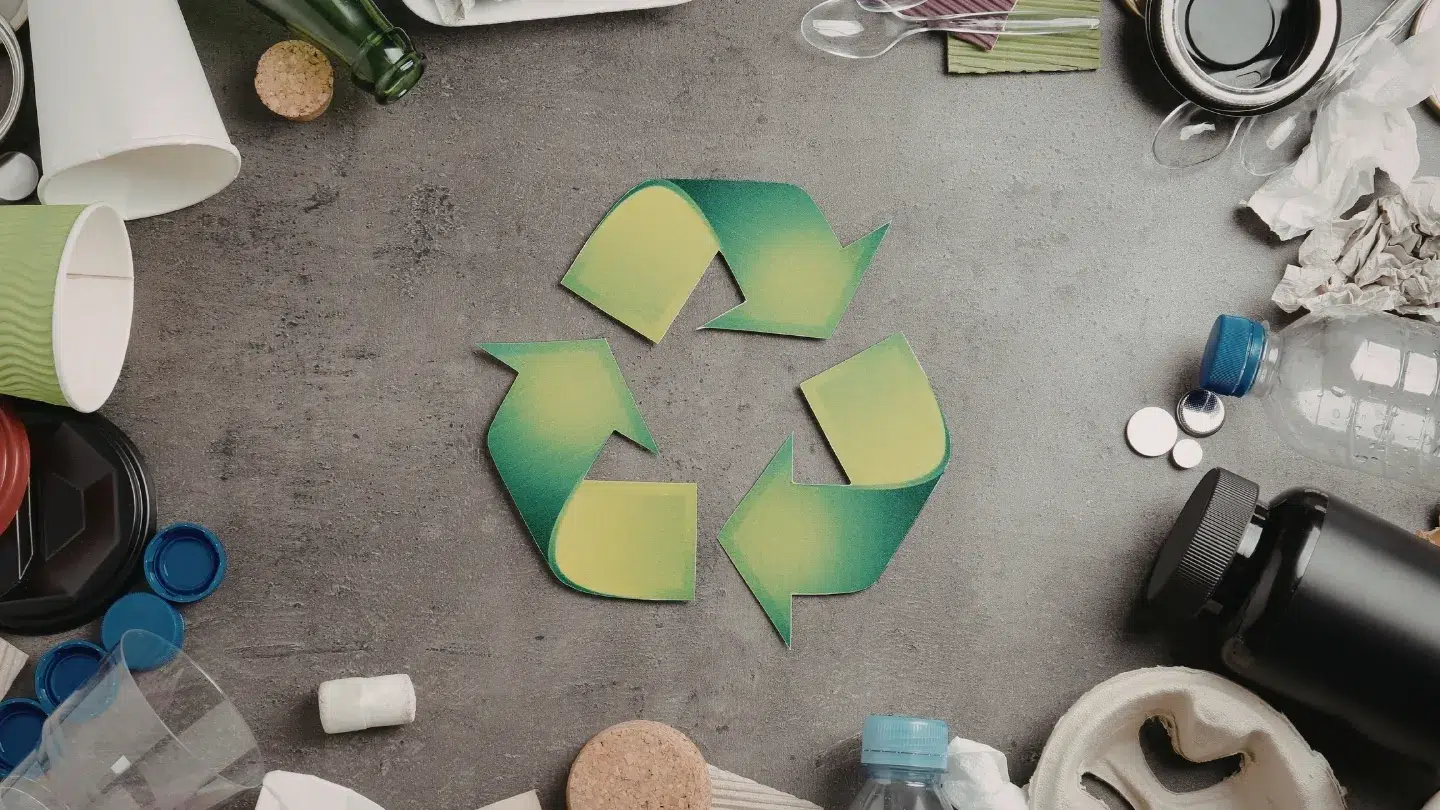
World Environment Day is held every 5 June. Here are nine activity ideas —beach clean-ups, swap markets and sustainability training— to help companies, schools and local councils move from awareness to measurable action.

Zero Waste is a movement that seeks to minimize our environmental footprint, not only by recycling, but by preventing waste from being generated in the first place. It is based on the design of products and systems that allow materials to be reintegrated into nature or kept in the production cycle indefinitely.

Today we highlight key actions to promote sustainability and the circular economy. These include the transition to renewable energy, bulk and local consumption, and waste prevention. These initiatives not only reduce the carbon footprint but also provide significant economic and social benefits.
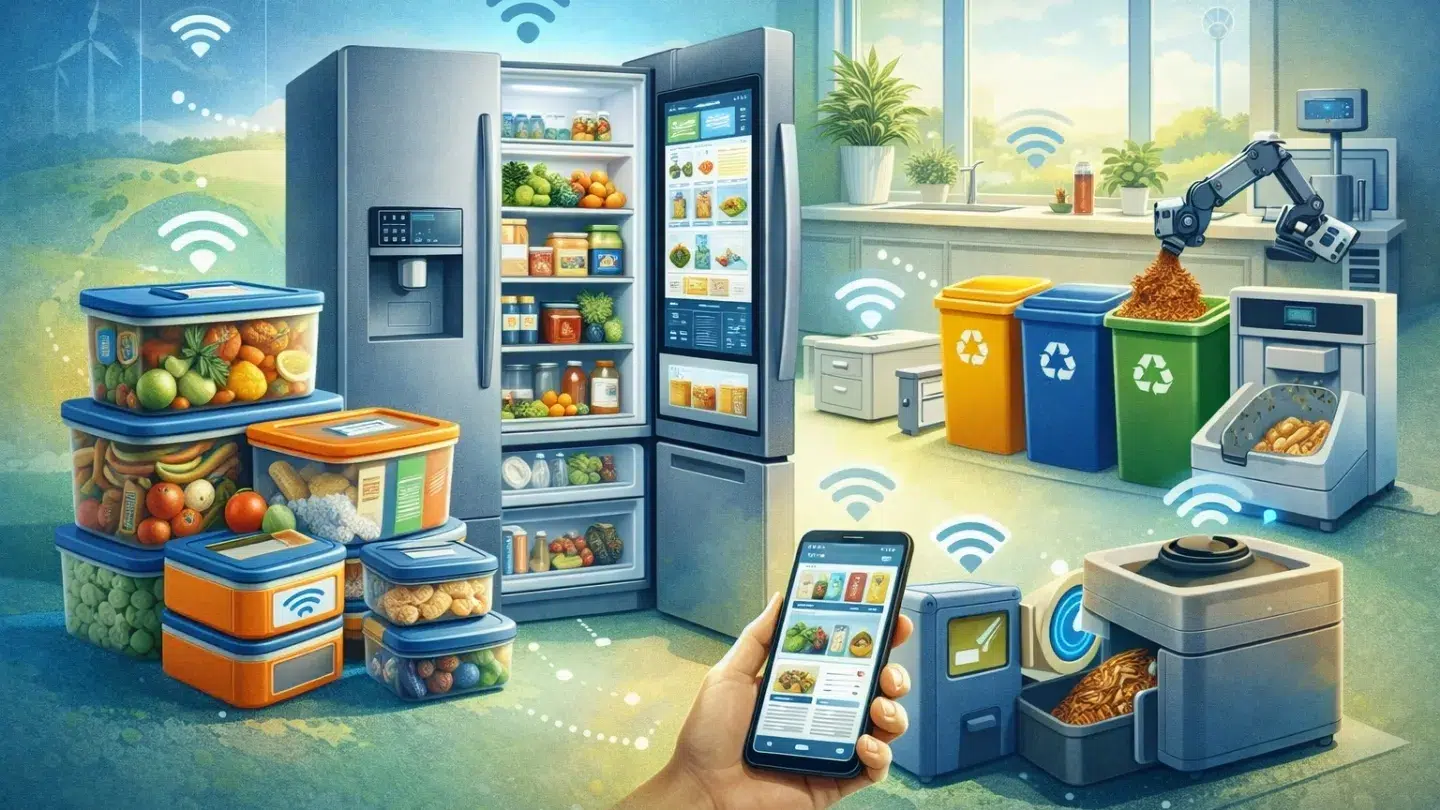
At Go Zero Waste, we're techno-utopians: we believe that new technologies will greatly facilitate the circular economy and zero waste. Today, we're sharing several real-world examples of how this is already being implemented in different fields.
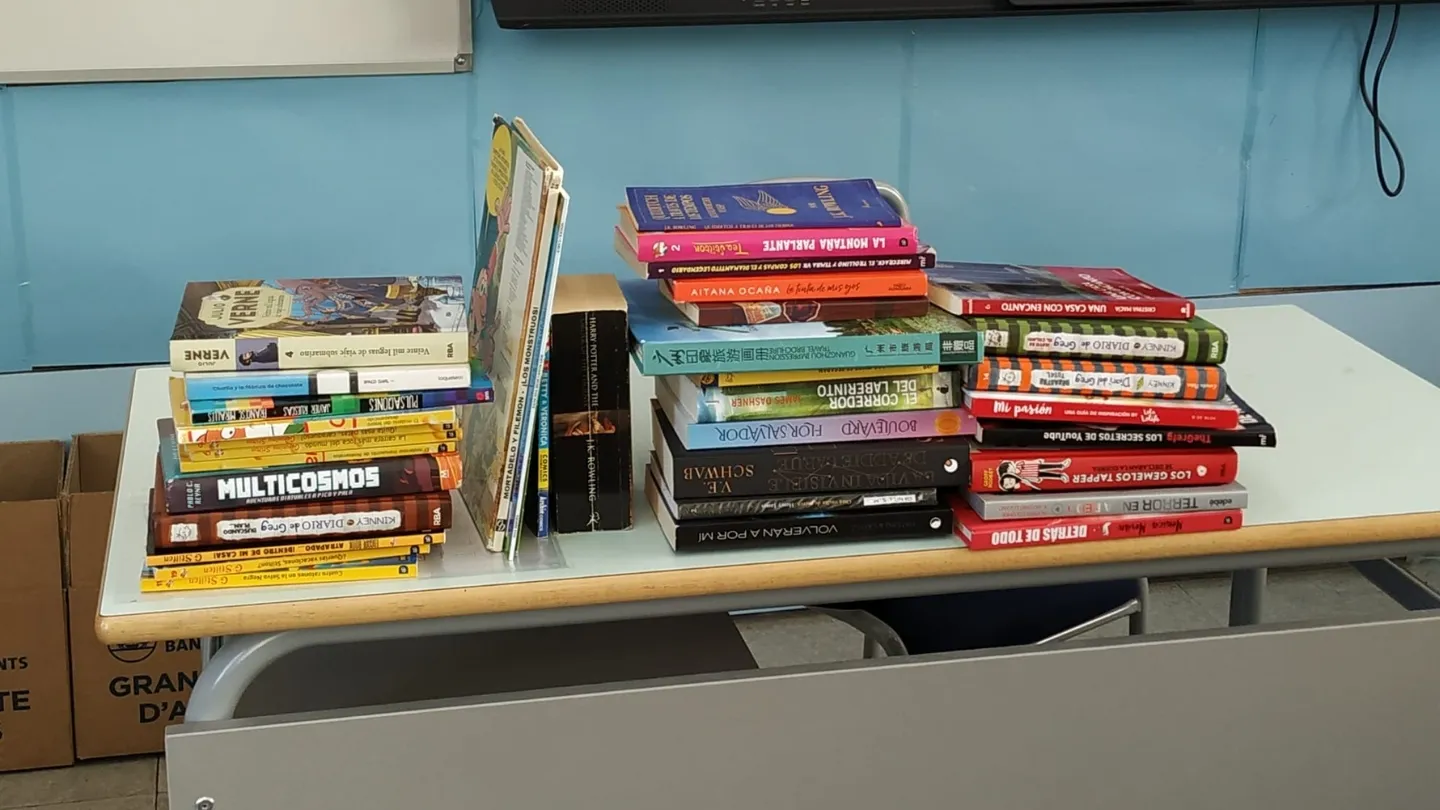
Discover how to reduce waste in an educational setting, whether it's a preschool, primary school, secondary school, or university. Improve sustainability in schools with practical case studies and our suggestions.
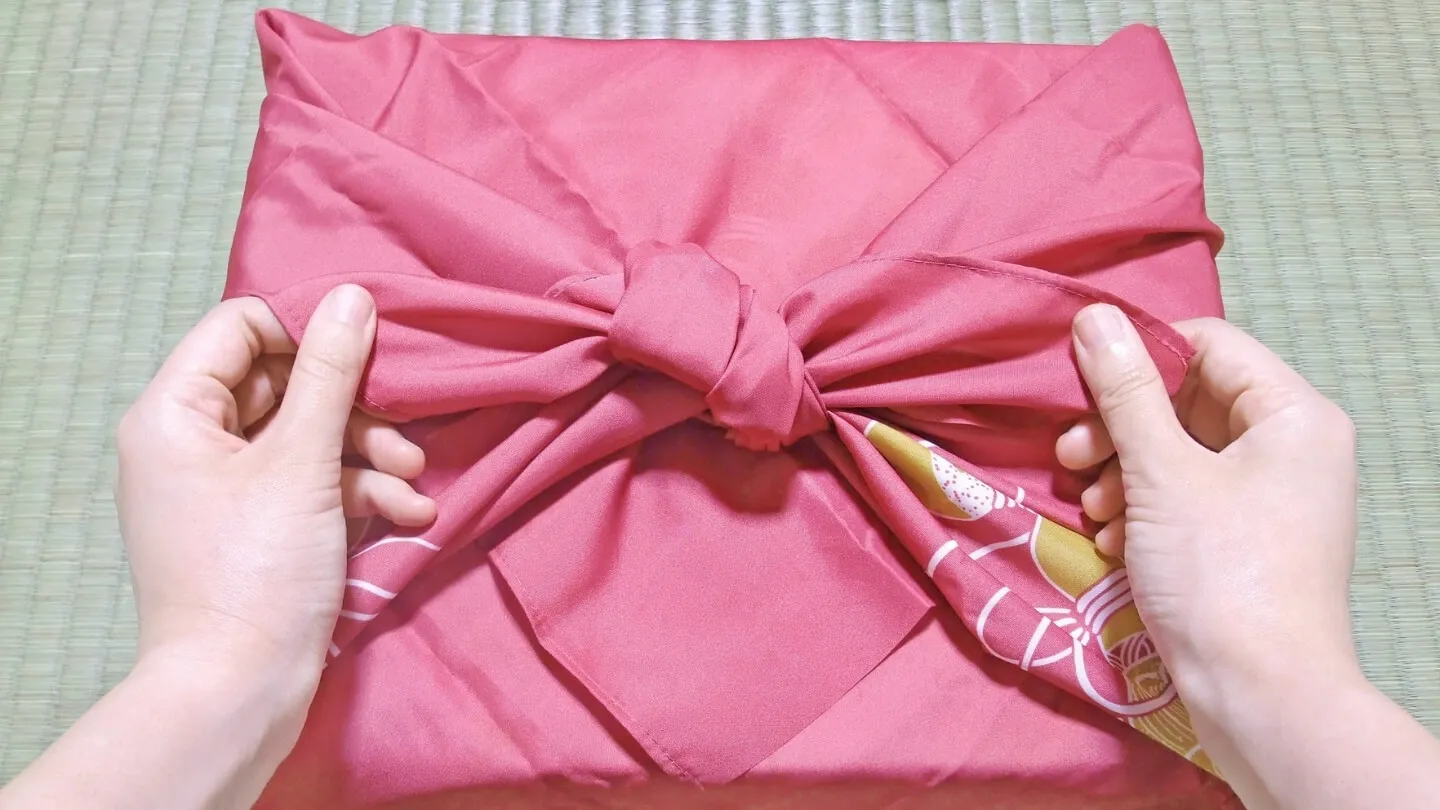
Furoshiki is an ancient Japanese technique for wrapping objects in a cloth. Originating in public baths, it evolved into a versatile form of transport. Today, it's a sustainable, zero-waste alternative to wrapping paper, combining functionality, beauty, and environmental responsibility by being completely reusable.

A creative local commerce campaign promotes conscious consumption and the circular economy through routes, maps, and gamified challenges. It encourages buying locally, minimizes waste, and strengthens neighborhood identity. Through stamps, rewards, and community experiences, it invites people to rediscover shops and appreciate the social value of small businesses.

Community-based team building combines team activities to strengthen communication and cohesion with a positive social or environmental impact. It increases motivation and improves corporate social responsibility (CSR). Examples include reforestation (QBE), inclusive workshops (Bankinter), and environmental initiatives such as waste collection or resourceful cooking.
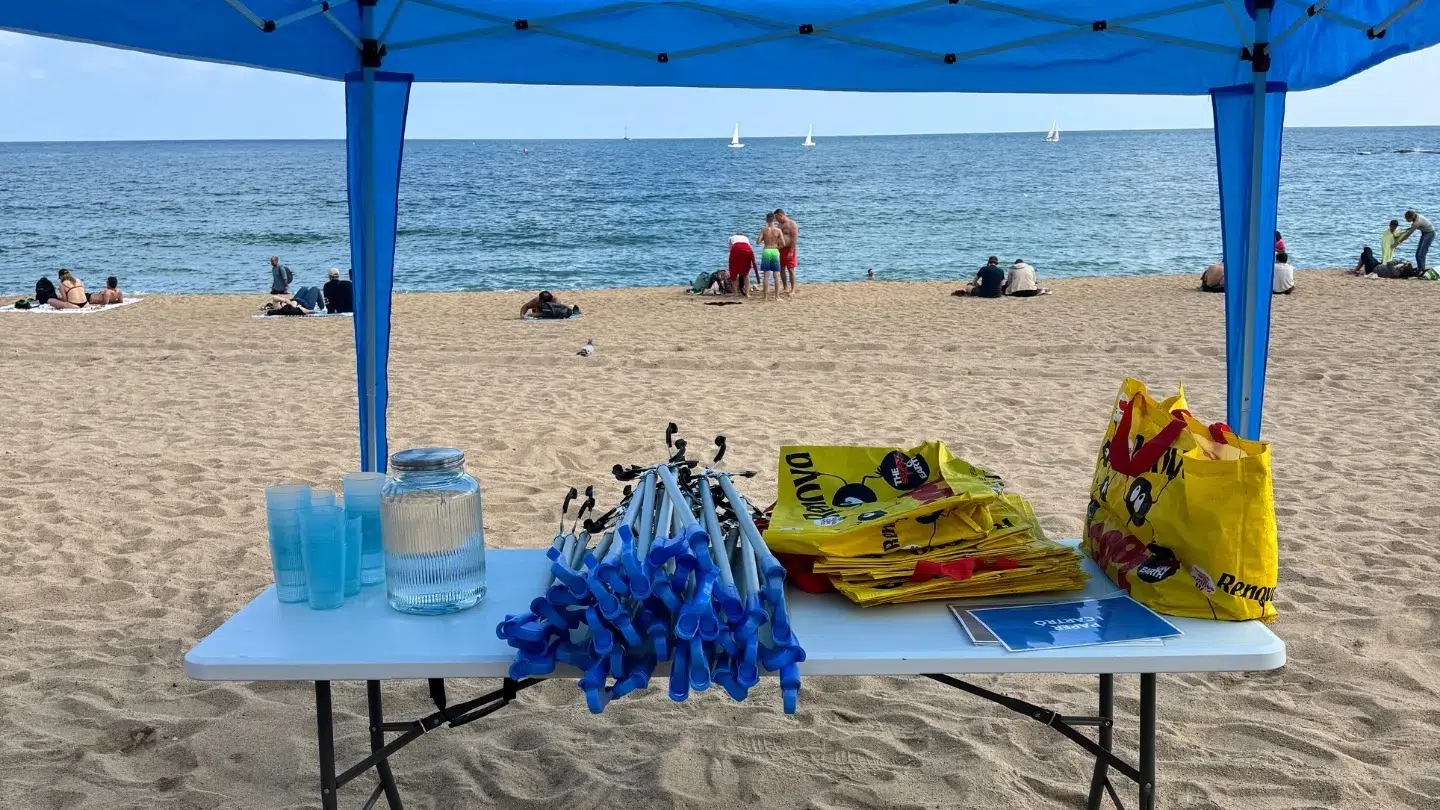
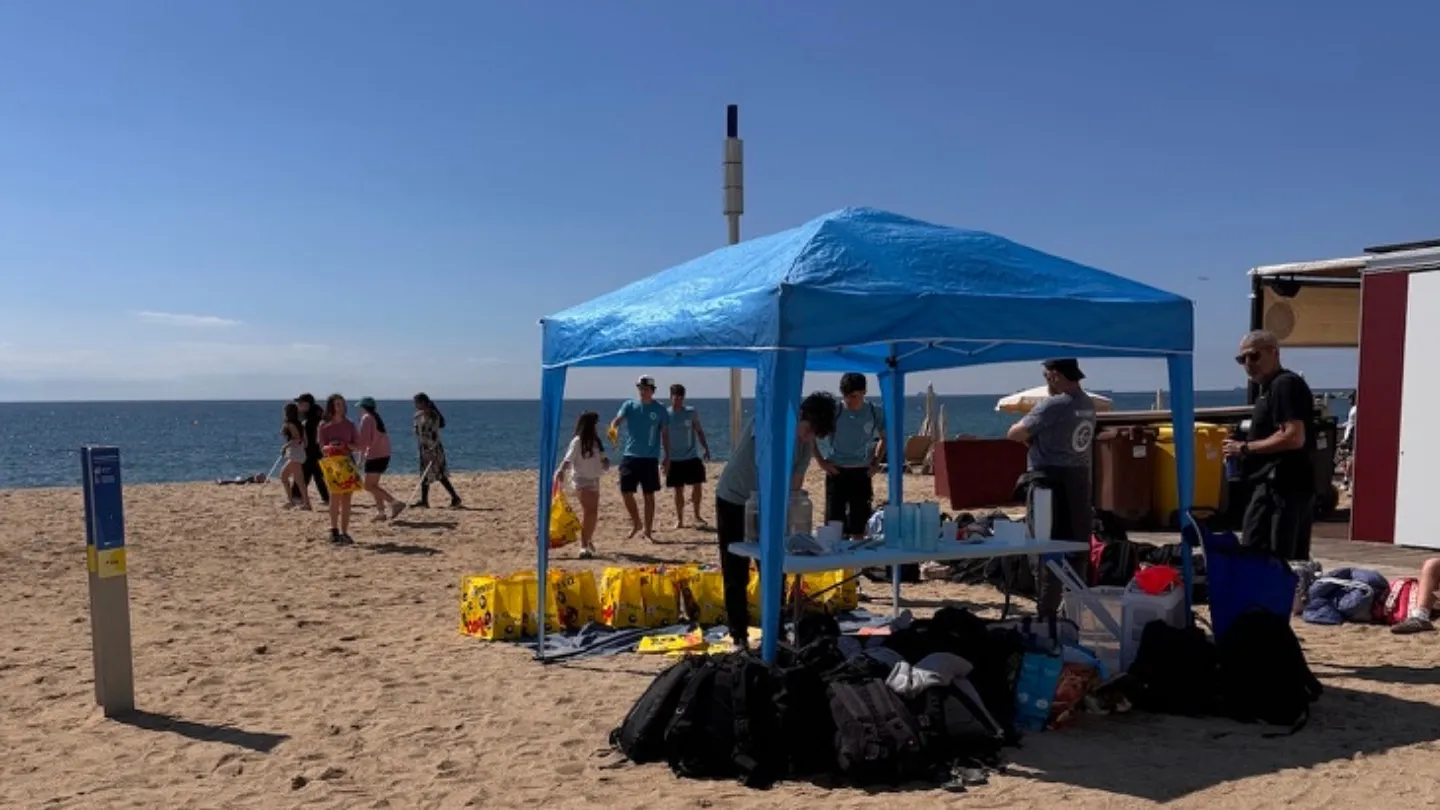
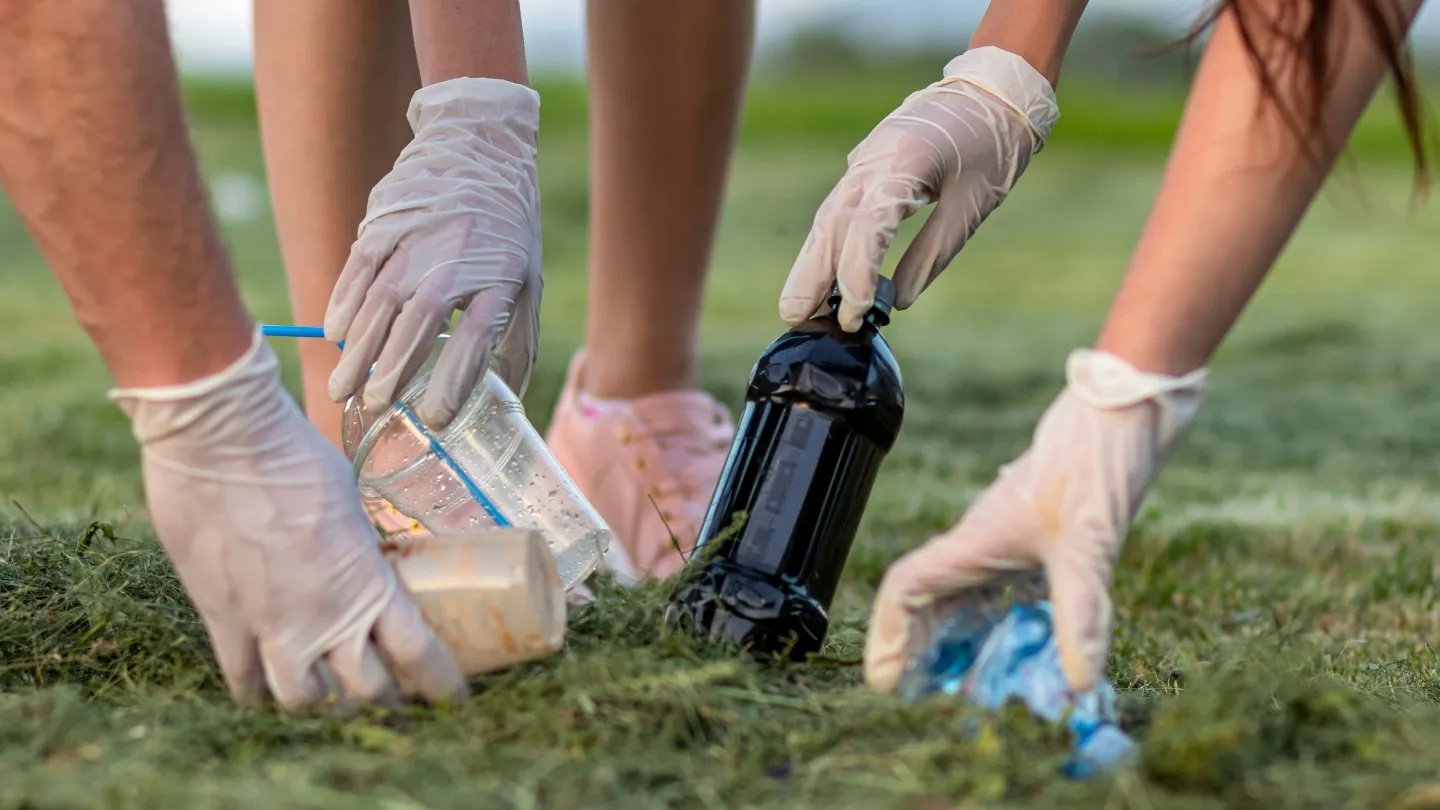
Organizing a beach cleanup is an excellent way to generate environmental and social impact: it strengthens community values and actively contributes to protecting our coastal ecosystems. Here's how to do it step by step.

Sustainability has become a fundamental pillar in all areas of an organization, including Human Resources (HR). Today we explain why, its benefits, and practical examples.

Did you know that you can reduce the amount of waste your business generates with simple and affordable alternatives?

Eating well can be a way to care for the planet. Sustainable restaurants adopt responsible practices, eliminate waste, and are committed to the environment and the community. Want to know how?

Did you know you can improve your processes and, at the same time, reduce your ecological footprint? The 9Rs of the circular economy teach you how to make the most of every resource, promoting responsible and sustainable consumption. We'll tell you how to put them into practice.

We visited AbonoKm0, an association dedicated to transforming organic waste into valuable resources, promoting sustainable practices at both the household and business levels.

Waste? No, thank you. The zero waste movement invites us to live cleaner, more sustainable lives, striving to ensure that nothing ends up in landfills or the ocean. Will you join the change?

At an event like a congress or trade show, a large amount of waste is generated in a very short period of time. Today, at Go Zero Waste, we want to propose small actions that attendees, exhibitors, and organizers can take to prevent and reduce waste generation at a large event.

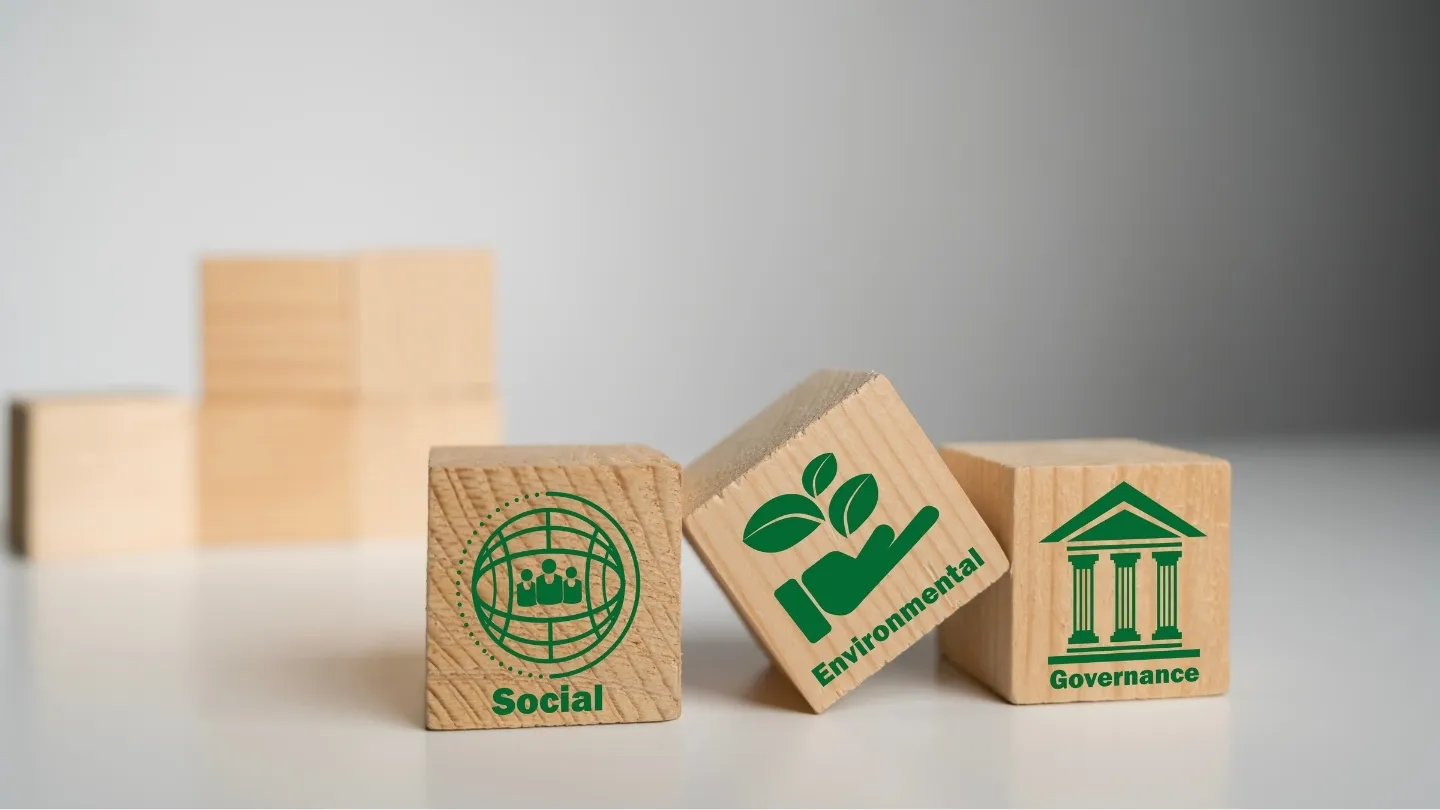
Today's customers are looking for more than just good products: they want brands that care about the world. What is your company doing to keep up? Corporate social responsibility may be the change your business needs.

Have you ever wondered what would happen if the products you use didn't end up in the trash?

Did you know that reducing waste in your company is not only possible, but also profitable? At Go Zero Waste, we help you implement simple and effective practices that minimize environmental impact and optimize your resources.
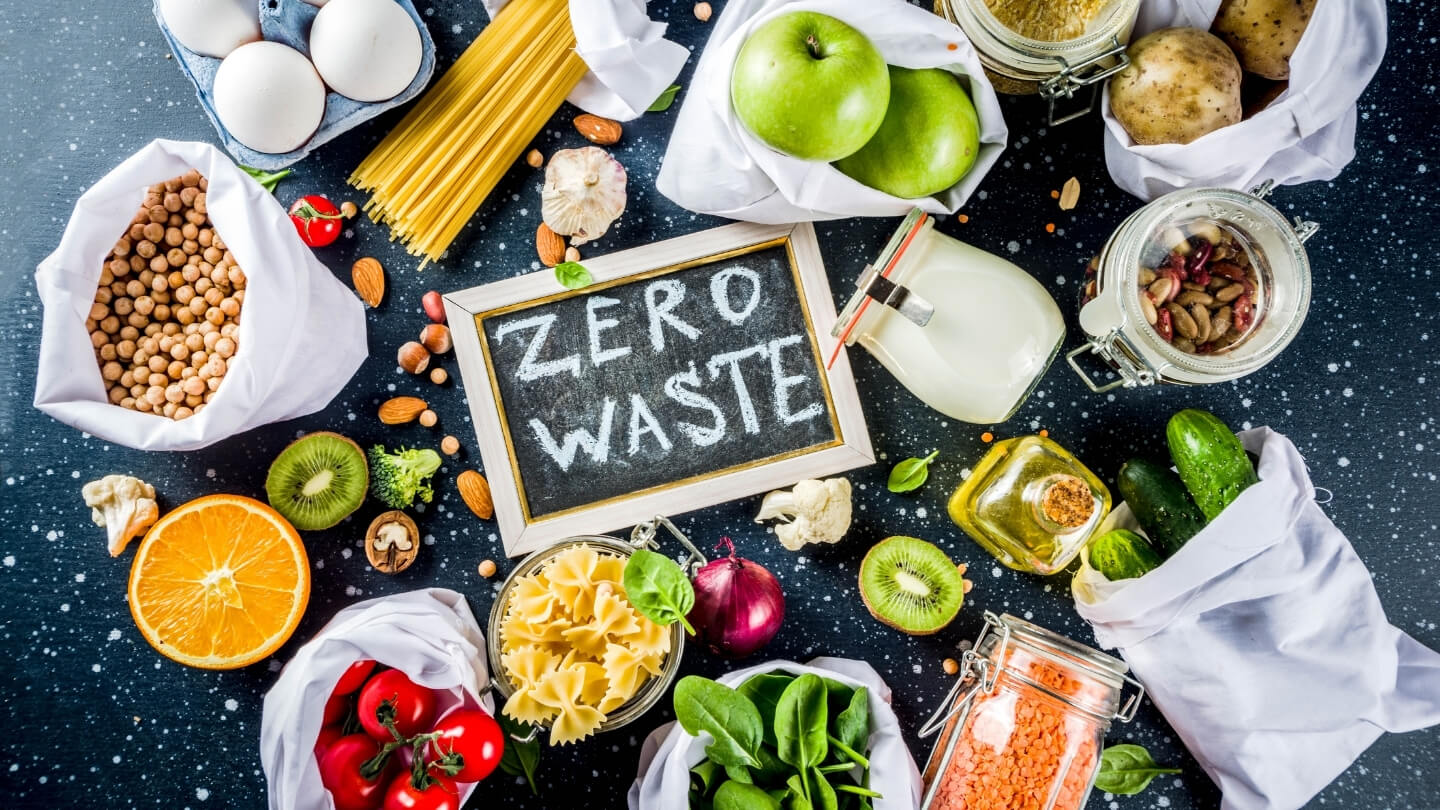
Imagine living with virtually no waste. This is the philosophy behind Zero Waste, and it's revolutionizing the way we care for the planet. Are you ready to discover how it works?
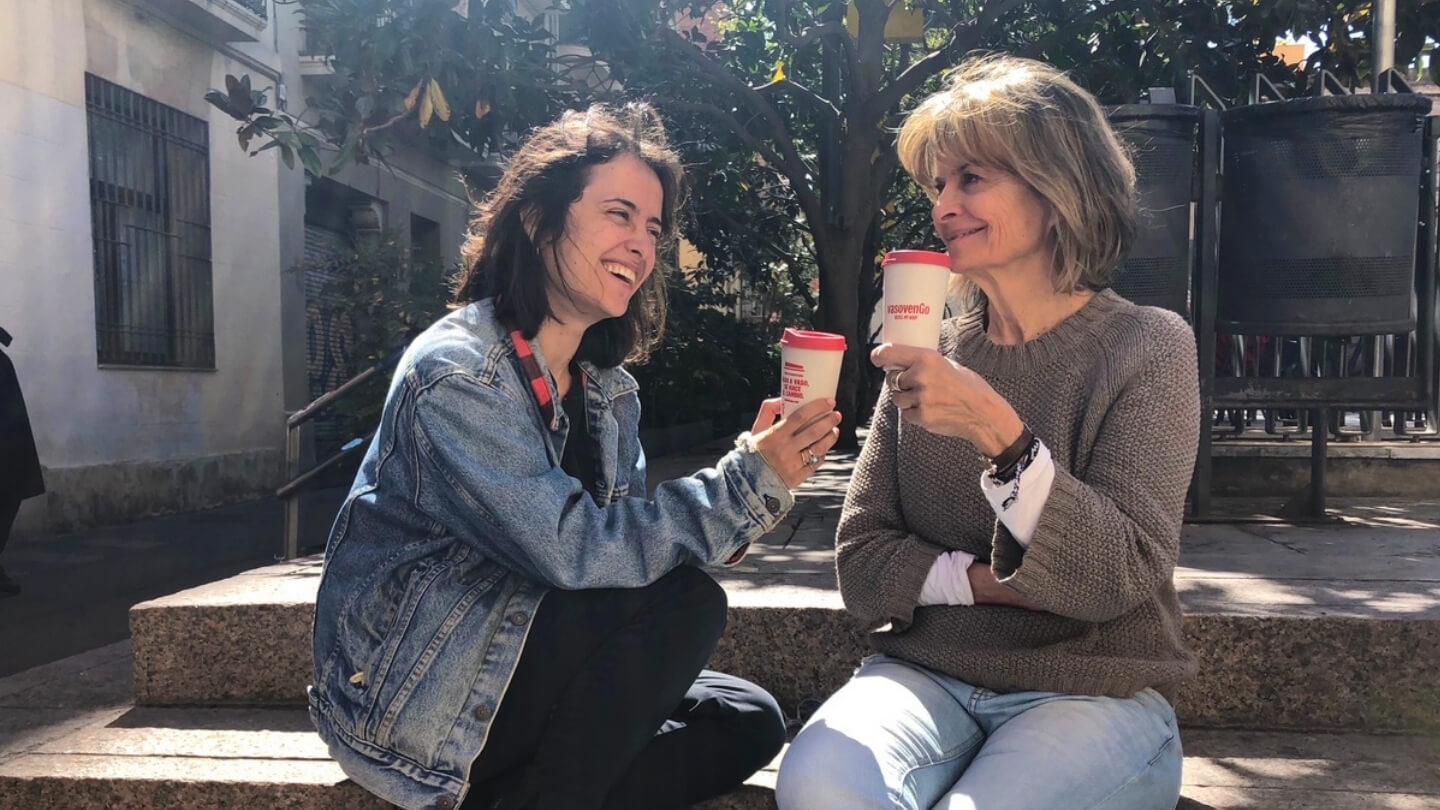
We spoke with the co-founders of the reusable cup rental service made in Barcelona, using 60% rice husks from the Ebro Delta.

6 solutions to reduce waste in the mobile sector and projects that are making it possible