

- Blog
- What is plogging: sport, environmental awareness and community in action
What is plogging: sport, environmental awareness and community in action
- 06/18/2026
- Magda Cebrián
¿Y si cada vez que salieras a correr pudieras dejar el mundo un poco más limpio de lo que lo encontraste? Eso es exactamente lo que propone el plogging: una actividad que combina el ejercicio al aire libre con la recogida de residuos, y que en pocos años ha pasado de una idea personal en Estocolmo a un movimiento global con miles de practicantes activos. En este artículo te contamos en qué consiste, cómo nació, qué ejemplos inspiradores ha generado, sus principales variaciones y todo lo que necesitas saber para sumarte.
Households, small businesses, and utility providers generate 2.1 billion tons of municipal solid waste annually worldwide — and, without urgent action, that figure will rise to 3.8 billion tons per year by 2050.
What is plogging?
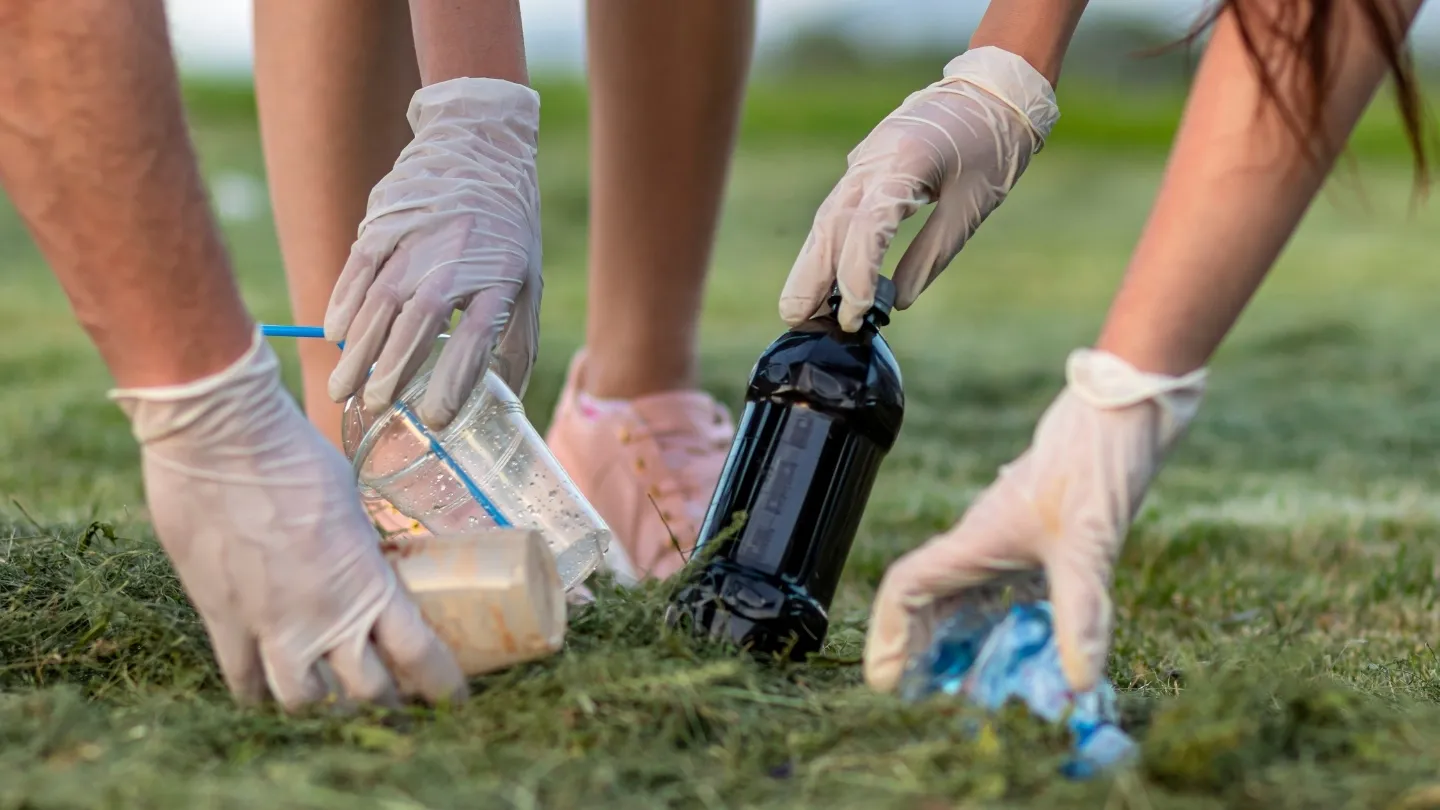
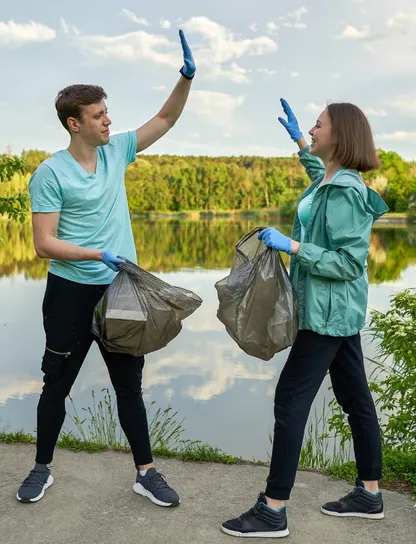
Plogging is a global movement originating in Sweden that uses running and other outdoor sports to remove litter from our cities and natural spaces. The idea is very simple: participants—known as ploggers —go out with a trash bag to collect the litter they find while exercising.
The word plogging comes from the Swedish plocka upp (to pick up) and the English jogging , and is currently practiced in more than 100 countries around the world, with more than 20,000 people doing it daily.
Beyond cleaning up, plogging offers an often overlooked physical benefit: as a workout, it adds variety to body movements by incorporating push-ups and squats into walking, jogging, or running. In fact, about 30 minutes of this exercise burns around 300 calories, as it combines running with exercises like squats and even push-ups.
To practice it, you only need comfortable clothing, protective gloves, and a bag—preferably reusable. And, if possible, company: group plogging multiplies both the environmental impact and the social experience.
Para practicarlo solo necesitas ropa cómoda, unos guantes de protección y una bolsa —preferiblemente reutilizable—. Y, si es posible, compañía: el plogging en grupo multiplica tanto el impacto ambiental como la experiencia social.
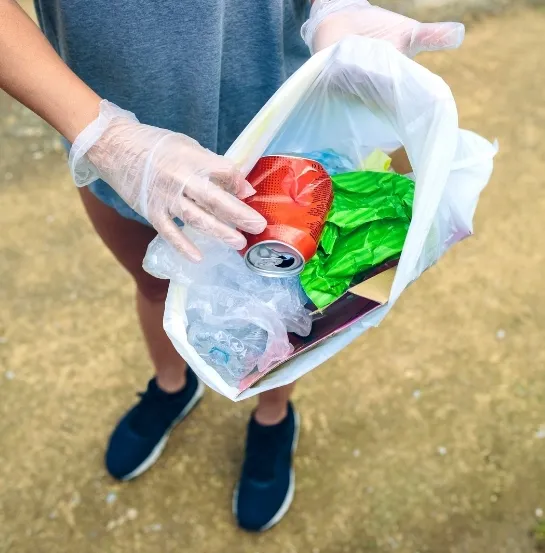
A bag, thirty minutes, and a cleaner environment. That’s all you need to start plogging.
Where did plogging originate?
The driving force behind this initiative was Erik Ahlström, a Swede who, after leaving his hometown in 2016 to settle in Stockholm, began cleaning up the places he frequented while exercising. He then started organizing group clean-ups with his neighbors, and it was after moving to the capital that he decided to systematically combine litter collection with daily exercise.
The driving force behind this initiative was Erik Ahlström, a Swede who, after leaving his hometown in 2016 to settle in Stockholm, began cleaning up the places he frequented while exercising. He then started organizing group clean-ups with his neighbors, and it was after moving to the capital that he decided to systematically combine litter collection with daily exercise.
The fact that plogging originated in Sweden is no coincidence: it is a country whose society is strongly marked by environmental awareness and a taste for all kinds of outdoor activities.
Ahlström quickly began organizing events through his website Plogga , and the initiative spread first throughout Sweden and then worldwide. The word plogga is now included in the English Dictionary and is used in Belgium, Denmark, Norway, France, and Italy. Among the personalities who have participated are the Prince and Princess of Sweden, as well as several Swedish ambassadors.

Erik Ahlström
Plogging began to gain international popularity in 2018 thanks to increased awareness of planetary health and the rise of social media. Since then, it has spread to other European countries, the United States, and other cities around the world, including Spain, with events in Valencia, A Coruña, Málaga, and Bilbao.
Inspiring examples of plogging around the world
Plogging has generated stories and statistics that demonstrate the potential of combining sport and environmental action. Here are some of the highlights:
Mexico City's world record
In Mexico City, a world record was set with 4,000 people gathering to plog in a single day. This unprecedented citizen mobilization transformed the Mexican capital into the global epicenter of the movement.
India: the biggest running trend
There are already around 10,000 people who regularly practice plogging in India, making it the biggest running trend in the country today. Prime Minister Narendra Modi pledged to practice it as part of his Clean India Mission (Swachh Bharat Abhiyan).
Sweden: three million cigarette butts a day
In Sweden, ploggers collect around three million cigarette butts every day. This figure illustrates the cumulative impact of thousands of small, individual actions performed consistently.
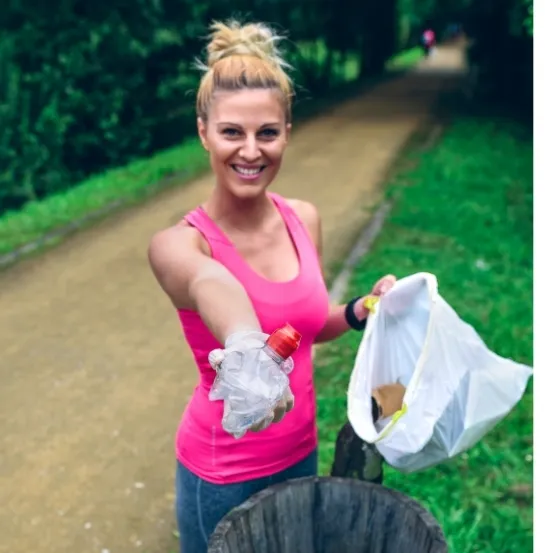
You don’t need a group or an organized event. Any run can turn into a plogging session.
Colombia: community, sport and environmental education
In Colombia, the organization Plogging Colombia has been promoting the construction and strengthening of healthier and more sustainable communities through plogging since 2018, involving sports, civic culture and environmental education with monthly events open to everyone.
Spain: the Plogging Tour and 60 tons collected
In our country, the movement has also taken firm root. The National Nederlanden Plogging Tour, in collaboration with the Higher Sports Council, managed to recover more than 60 tons of litter abandoned in nature in 2024, under the slogan #HazDeportePorElPlaneta (Do Sport for the Planet), uniting more than 28,000 citizens, administrations, and companies.
At the local level , Plogging RRevolution , based in Alicante, also stands out. With six years of experience, it has already organized 150 events, involved more than 5,000 participants and volunteers, and collected 8,700 kg of waste.
Variations of plogging: more sports, more impact
One of plogging’s greatest strengths is its versatility. Although it originated in connection with running, it can be practiced in a wide variety of environments—parks, urban areas, mountains, beaches, and trails—and involves numerous sporting activities: in addition to walking and running, you can also plogging while cycling, canoeing, scootering, and even diving or snorkeling.
These are the main variations that have emerged:
Aquatic plogging (snorkeling and diving)
It is becoming increasingly common for groups of divers to come together to combine their dives with cleaning beaches and the seabed. This practice is especially important in coastal areas where trash not only pollutes the sand but also the underwater ecosystem.
Plogcycling (plogging by bicycle)
Combining cycling with waste collection greatly expands the service area and allows access to areas less accessible on foot. It is ideal for intercity routes, greenways, and bike paths.
Plogging in kayaks and paddle surfs
Kayaking and stand-up paddleboarding also fit perfectly with this practice, applying it to both land and sea environments. Coastal areas, marshes, and rivers particularly benefit from this activity.
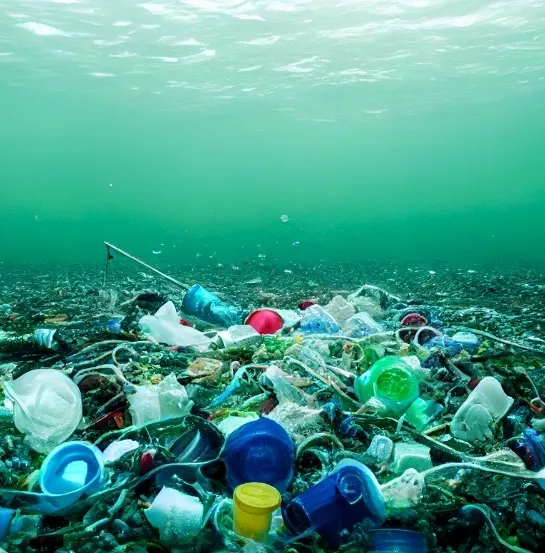
What we don’t see from the shore also pollutes. Aquatic plogging takes environmental action beneath the surface of the sea.
Trail plogging and mountain plogging
Hiking, trail running, skiing, and parkour are beginning to attract the first plogging enthusiasts. In protected natural environments, this trend makes particular sense, as poorly managed litter directly threatens biodiversity.
Family and school plogging
In its most accessible version, there’s no need to run or jog: it can also be done by walking. Even three- or four-year-old children have participated in plogging sessions. This variant is perfect for educational and awareness-raising activities in schools and parks.
FAQs
No. Plogging is suitable for any fitness level. You can do it at a leisurely pace or a brisk run. The important thing is the attitude, not athletic performance.
Basically, three things: comfortable clothing, protective gloves (to avoid cuts from sharp objects), and a trash bag, preferably reusable. If you’re cycling or swimming, adapt your gear to the corresponding activity.
The collected waste must be sorted and deposited in the appropriate containers or recycling centers. Bring several bags if possible to separate plastic, glass, and other materials on site.
Generally speaking, plastics predominate. Cigarette butts and glass are very common on beaches, especially in areas where people gather to drink alcohol. Occasionally, bulky waste such as tires, appliances, or sanitary ware is also found.
It has staying power. Initiatives like the Plogging Tour or Plogging RRevolution in Spain demonstrate that it is not a passing trend, but an activity with great potential to inspire more people to take action for the planet.
You can definitely do it on your own. However, doing it in a group is more fun and allows you to clean more in less time. Look for local groups on social media using the hashtags #plogging or #ploggingtour.
Summary and conclusions
Plogging proves that you don’t need grand gestures to make a difference. With sneakers, gloves, and a bag, any outdoor activity can become a direct action for the planet. It’s accessible, inclusive, adaptable to any age and fitness level, and its benefits are twofold: you improve your health while improving the environment around you.
At Go Zero Waste, we’ve been organizing beach and natural environment cleanups for years because we believe in this very principle: collective action, however small it may seem, transforms. Plogging fits perfectly with this philosophy and with the values of the circular economy: reducing waste in the environment, extending the life of materials, and building community around sustainable habits.
✅ It was born from an everyday gesture. Erik Ahlström simply started cleaning up the places he frequented when he did sports in Stockholm in 2016, without imagining that it would give rise to a movement present in more than 100 countries.
✅ It’s a complete sport. As a workout, it provides variety in body movements by adding push-ups and squats to walking, jogging, or running. You’re not just taking care of the planet: you’re also taking care of your body.
✅ Its impact is measurable and growing. The Plogging Tour managed to recover more than 60 tons of litter abandoned in nature in 2024. Every session counts, and the data proves it.
✅ It goes beyond running. It can be practiced with disciplines such as hiking, snorkeling, kayaking, diving, skating, trail running or cycling, in urban environments, trails, beaches, forests and protected areas.
🏃♀️ Would your company like to take plogging a step further?
At Go Zero Waste we organize guided and professional cleaning activities, designed for companies, municipalities and educational centers that want to go beyond an individual outing and generate a measurable impact as a team.
🏖️ Beach Cleanup
: An organized beach cleanup, including materials, logistics, and impact data. Ideal for team building or CSR activities.
Discover the activity →
🌲 Nature Cleanup:
We bring environmental action to natural environments—forests, rivers, protected areas—combining sport, awareness, and environmental education.
Discover the activity →

Magda Cebrián
Environmental consultant and impact entrepreneur, based in Barcelona and specializing in sustainability, zero waste and circular economy.
- Corporate sustainability
- Circular economy
- Environmental education
- Zero waste projects
- ESG & CSRD Reports
Related projects
Bodega La Peninsular
Bodega La Peninsular joins the Go Zero Waste movement with reusable containers for takeaway and for carrying away leftovers. Less waste, less refuse, and a greater commitment to the environment.