

- Blog
- Good practices
- Five examples of how technology helps reduce waste
Five examples of how technology helps reduce waste
- 02/05/2026
- Magda Cebrián
Browse through the publication
Smart refrigerators with expiration sensors
A third of the food we produce is wasted.
A large part of it is when we have already bought them and have them in the refrigerator and they expire without being opened.
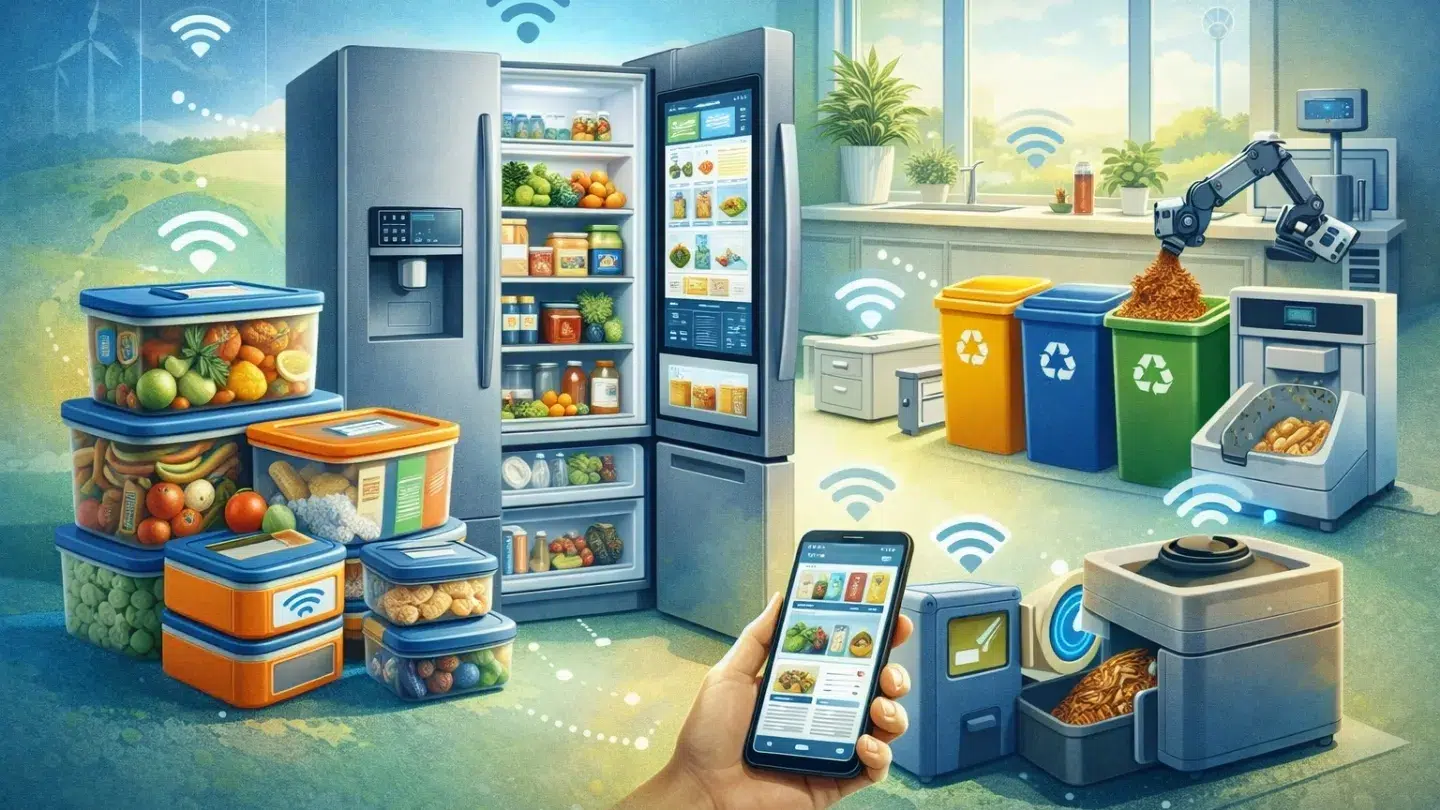
One technological solution is smart refrigerators that use sensors, internal cameras, and artificial intelligence to monitor the food inside. Thanks to this information, they can alert you when a product is about to expire , suggest recipes to use it up , and help you avoid buying things you already have.
Direct benefits of smart refrigerators:
♻️ They prevent food from expiring
💧 Conservation of natural resources : saving water, energy and raw materials.
🚯 They reduce food waste
👛 They allow you to save money because you don’t throw away as much food
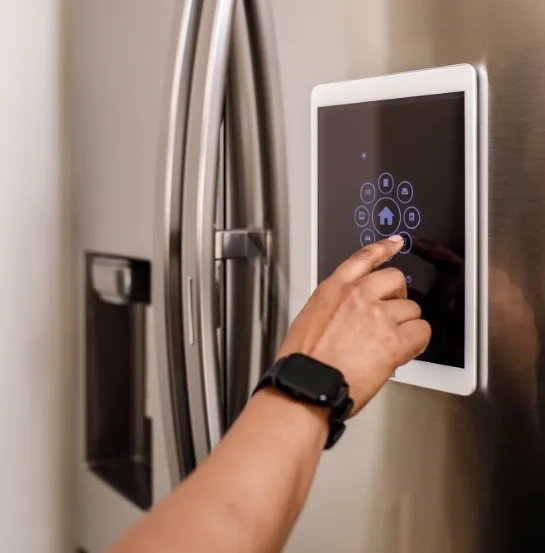
Refrigerators will increasingly use technology
Mobile applications that promote the circular economy
There are several circular economy projects that allow for waste reduction; here are a few:
It allows you to buy and sell second-hand products near you.
Very similar to Wallapop but more specialized in clothing and accessories (although it has recently added more categories). It promotes textile reuse and reduces the environmental impact of fast fashion.
It connects businesses with users to sell unsold food at a reduced price, preventing it from being thrown away. Conecta comercios con usuarios para vender comida que no se ha vendido a precio reducido, evitando que se tire.
Second hand market
Digital Twins in Construction
One of the lesser-known technologies is digital twins. This technology allows you to digitally recreate a building using advanced software (BIM – Building Information Modeling).
🔗 It uses a network of sensors on the construction site, cameras, drones and IoT devices to constantly collect data on the condition of the building, the location of materials and the progress of the workers.
🚫 The system detects deviations instantly, thus preventing demolitions or reconstructions and eliminating the generation of debris due to human error.
📝 The digital twin knows exactly how much material is on the construction site and where it is located. This prevents unnecessary material orders and optimizes machinery routes, reducing emissions.
Digital Twins in the Construction Sector
3D printing
3D printing can greatly help reduce waste, especially in prevention. Some examples:
Produce only what is necessary
3D printing creates parts layer by layer, using only the necessary material. This results in less material waste and almost no waste.
Made to order
It allows producing parts only when needed, avoiding surpluses, full warehouses, and products that end up unsold.
Repair instead of replacement
Spare parts (gears, supports, covers, etc.) can be printed to repair objects that would otherwise be thrown away.
Use of recycled materials
Many 3D printers use filaments made from recycled plastic (such as PET from bottles).
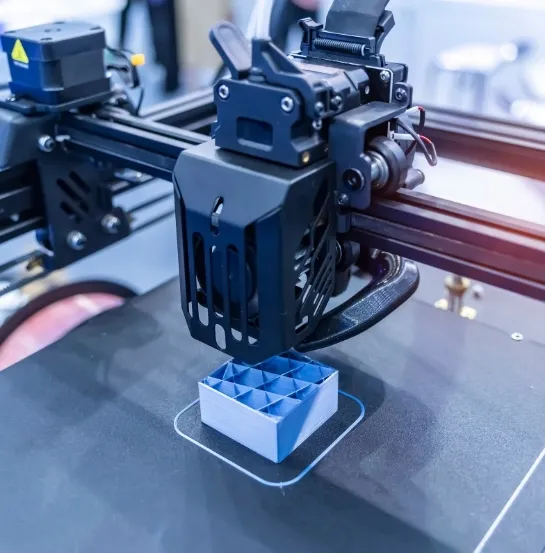
Image of a 3D printer
Reuse platforms
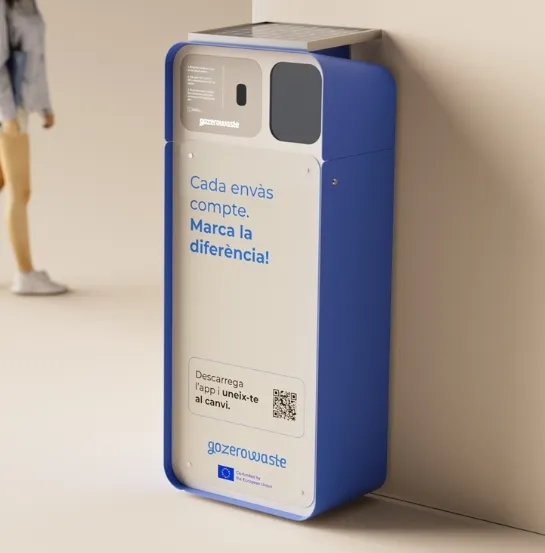
A technological platform (app + logistics system) that allows establishments and companies to use our system for reusing containers (and also bags, cups, etc.) instead of single-use containers.
PaaSiot
🥣 You can collect reusable containers and fill them with food or cooked meals.
🔗 The container is connected to the app and to PaaSiot cabinets.
📝 Each time the system is used, the user earns points and wins prizes.
Our PaaSiot device
Summary and conclusions
Technology can be a powerful tool for transforming the linear “use and discard” model into a circular one. Through digital and physical innovations, it’s possible to optimize resource use, streamline reuse logistics, and connect consumers with sustainable alternatives, demonstrating that technological efficiency is key to democratizing responsible living and reducing environmental impact on a large scale.
✅ Location and local consumption apps: Tools like Go Zero Waste’s own app allow users to find nearby bulk stores and plastic-free services, facilitating the logistics of sustainable shopping.
✅ Traceability and Blockchain systems: The use of these technologies guarantees transparency in supply chains, allowing the origin of materials to be traced and ensuring that products are truly recoverable or recyclable.
✅ IoT for container reuse: Implementing sensors and the Internet of Things (IoT) in smart dispensers allows for the management of “container as a service” systems, where the container is returned, cleaned, and refilled automatically.
✅ Artificial Intelligence in waste management: AI dramatically improves the separation of materials in recycling plants, achieving a purity of inputs that allows waste to be converted back into high-quality raw materials.
✅ Digitalization to avoid waste: From apps that “rescue” surplus food in restaurants to collaborative economy platforms that encourage lending and repair, thus avoiding the manufacture of new unnecessary products.
Related news
How to reduce waste at school?
Discover how to reduce waste in an educational setting, whether it's a preschool, primary school, secondary school, or university. Improve sustainability in schools with practical case studies and our suggestions.
What is furoshiki?
Furoshiki is an ancient Japanese technique for wrapping objects in a cloth. Originating in public baths, it evolved into a versatile form of transport. Today, it's a sustainable, zero-waste alternative…
Creative ideas for a local business campaign in small towns
A creative local commerce campaign promotes conscious consumption and the circular economy through routes, maps, and gamified challenges. It encourages buying locally, minimizes waste, and strengthens neighborhood identity. Through stamps,…