

- Blog
- Good practices
- What is ESG? A complete guide to environmental, social, and governance criteria
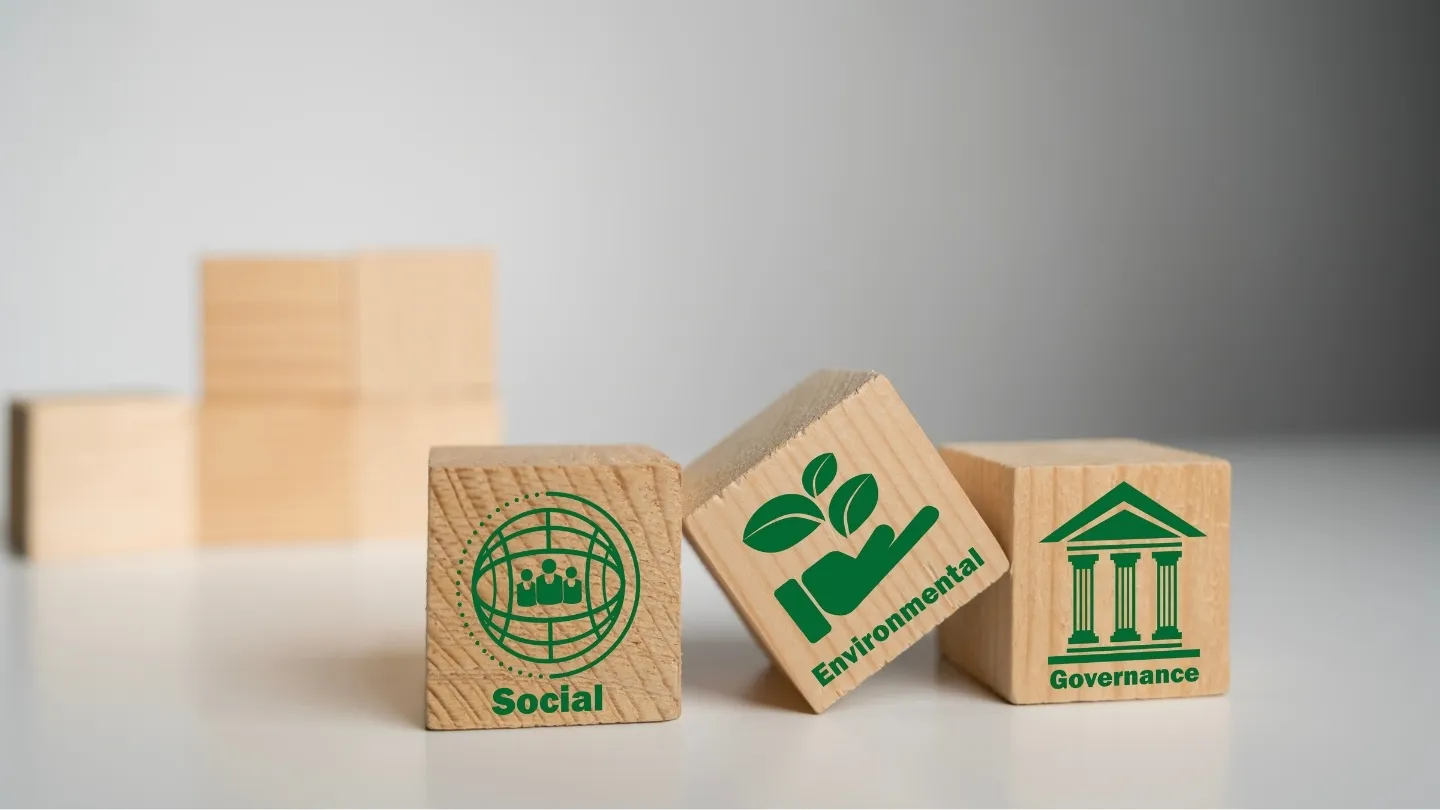
What is ESG? A complete guide to environmental, social, and governance criteria
- 06/01/2026
- Magda Cebrián
Corporate sustainability has moved beyond being a trend to become a strategic necessity.
Investors, customers, employees, and public administrations are increasingly demanding transparency regarding how organizations manage their environmental, social, and ethical impacts.
In this context, the ESG concept has emerged , a framework that helps assess a company’s genuine commitment to sustainability .
ESG criteria allow for the measurement of aspects that go beyond traditional financial results.
Thanks to them, organizations can identify risks , build trust among their stakeholders, and construct more resilient and responsible business models .
In Spain, the percentage of “consistent” consumers — those who align their purchasing decisions with their values — has risen from 26% in 2022 to 46% in 2024 , now becoming the largest group in the population.
Browse through the publication
What do the acronym ESG stand for in sustainability?
The acronym ESG stands for Environmental, Social and Governance.
Together they define the space in which modern corporate sustainability operates.
The E in Environmental covers everything related to the organization’s impact on the planet:
· CO2 emissions
· Energy and water consumption
· Waste management
· Biodiversity
· Carbon footprint in the value chain
· Adaptation to climate change
· Circular Economy.
It is the most visible division and the one that concentrates the greatest regulatory pressure ( EU Green Taxonomy , CRSD, etc.).
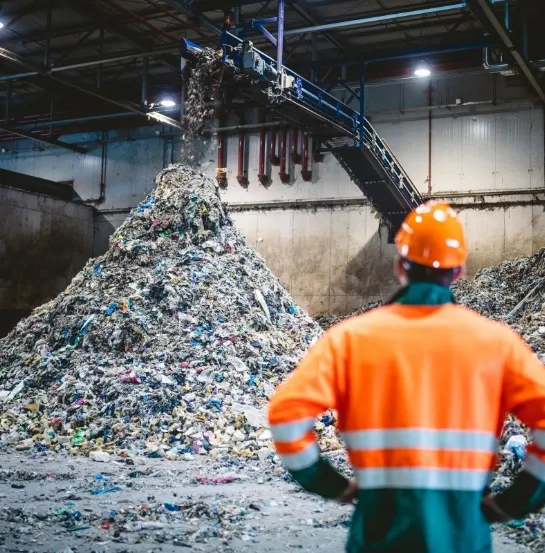
Waste management is key to a good result in ESG Reports
The “S” in Social measures how the company relates to people: working conditions, diversity and inclusion, health and safety, human rights in the supply chain, impact on local communities, and equitable access to its products or services.
Finally, the G for Governance assesses the quality of the governance structure: transparency in information, composition and diversity of the board of directors, anti-corruption policies, management remuneration, risk management and business ethics.
What are the pillars of ESG sustainability in an organization?
Each dimension is structured around a series of operational pillars that allow organizations to design their policies, set measurable objectives, and credibly report progress.
Environmental (E) 🌿
Waste management and circular economy, energy efficiency, emissions reduction, water and biodiversity, life cycle analysis.
Social (S) 🤝
Working conditions, equality and diversity, safety and health, community impact, human rights in the supply chain.
Governance (G) 🏛️
Transparency and reporting, board composition, ethics and anti-corruption, risk management, responsible taxation.

Sustainability attracts and retains talent
The true integration of these pillars requires going through four phases:
1) Diagnosis: Where are we?
2) Materiality : What issues are most relevant to our stakeholders?
3) Planning: SMART objectives and roadmap
4) Report : Verifiable communication of results.
Without the four phases, ESG criteria remain merely a statement of intent.
How does adopting ESG criteria improve a brand's reputation?
Corporate reputation is an intangible asset that takes years to build and can deteriorate in hours. ESG criteria, when well implemented and communicated honestly, operate across several key dimensions:
Investor and funder confidence:
Impact funds, ethical banks, and increasingly, conventional banks require ESG scoring before providing financing. A company with a good ESG score gains access to better conditions and green capital (sustainable bonds, green ICO guarantees , etc.).
Attracting and retaining talent:
Studies by Deloitte and PwC show that over 60% of millennials and Generation Z prioritize working for purpose-driven organizations. A strong ESG policy reduces turnover and strengthens employer branding.

Sustainable companies attract the best professionals
Consumer preference:
Informed consumers choose brands that share their values. The circular economy, product traceability, and transparency in waste management are differentiators that translate into loyalty and a willingness to pay more.
Reduction of reputational risk:
Companies that detect and manage their ESG risks before they become crises – labor scandals, environmental fines, governance failures – protect their image in the long term.
Access to public tenders and contracts:
Sustainable public procurement is already mandatory in many tender specifications ( Law 9/2017 on Public Sector Contracts and European directives ). Having documented ESG criteria is a requirement, not an optional advantage.
Media and organic visibility:
Frameworks with genuine ESG projects generate valuable content for specialized media, blogs, and social networks, which strengthens organic positioning and domain authority.
The key lies in authenticity : greenwashing (communicating ESG commitments without substance) has the opposite effect and is being targeted by the European Directive against Greenwashing (2024). Reputation is built on facts, not adjectives.
What is the difference between ESG and DEI?
This is a common misconception, especially since both concepts are gaining traction simultaneously in corporate discourse. However, they operate according to different logics and are implemented in different contexts, even though they share some common ground.
ESG: Global Strategic Framework
A comprehensive system for managing and reporting corporate impact across three dimensions: environmental, social, and governance. It is an external assessment standard geared towards investors, regulators, and markets.
DEI: Internal People Policy
A framework focused on the people who work in the organization: Diversity (who is part of it), Equity (fair access to opportunities), and Inclusion (genuine belonging). It is a dimension of HR policy and corporate culture.
DEI: Diversity, Equity and Inclusion
In short: DEI is a component of the Social pillar of ESG , not an equivalent or alternative concept. An organization can have good DEI metrics and still have a devastating environmental footprint or opaque governance. ESG requires that all aspects be aligned. Similarly, it is not enough to manage waste well if the workforce lacks decent working conditions.
Understanding this relationship helps companies integrate diversity policy into their ESG strategy and report it consistently in the sustainability report, rather than treating it as a parallel or cosmetic initiative.
FAQs
Not all companies are subject to this requirement, but the scope of the obligation expands each year. The Corporate Sustainability Reporting Directive (CSRD) requires ESG reporting from large companies starting in 2024 and will be extended to listed SMEs in 2026. In Spain, Law 11/2018 on non-financial information mandates this for companies with more than 500 employees. SMEs not currently required to report that wish to access public tenders or supply chains of large corporations will, in practice, face similar requirements.
It largely depends on the starting point and the size of the organization. For an SME, the first step—a materiality audit and a diagnosis of the three pillars—can be reasonably priced and quickly pays for itself through energy savings, access to green financing, and reduced risk. There are also grant programs (Next Generation EU funds, IDAE calls for proposals, regional aid) that can co-finance part of the investment.
ESG ratings are external assessments conducted by specialized agencies (MSCI, Sustainalytics, Morningstar, Moody’s ESG) that score companies based on their performance and risk management across three dimensions. Investors use them to make portfolio decisions. Although assessment criteria vary among agencies and there is no single standard yet, high scores translate into better access to capital and lower financing costs.
These concepts are closely related but not identical. Corporate sustainability is the goal—operating in a way that preserves natural resources and social well-being in the long term—while ESG is the measurement and management framework that makes it possible. In other words: sustainability is the destination, ESG criteria are the GPS.
The circular economy is one of the most powerful strategies for improving the environmental pillar of ESG. Reducing waste, extending the lifespan of materials, implementing reusable packaging systems, and designing products for disassembly and repair directly impact the carbon footprint, waste generation, and resource efficiency indicators that ESG reporting frameworks (GRI 306, SASB) require to be quantified.

Summary and conclusions
Los criterios ESG han dejado de ser una opción para convertirse en el nuevo estándar de legitimidad empresarial. Las organizaciones que los integren de forma genuina —no como barniz verde sino como sistema de gestión— no solo cumplirán con la regulación vigente y futura, sino que construirán ventajas competitivas duraderas en un mercado que premia la transparencia y la responsabilidad.
✅ Obligatoriedad: Creciente regulación EU: CSRD, SFDR y Taxonomía Verde ya son obligatorias para grandes empresas.
✅ Reputación: Mejora el acceso a financiación, atrae talento y genera confianza en consumidores.
✅ ESG ≠ DEI: DEI es un componente del pilar social; el ESG abarca las tres dimensiones de forma integrada.
✅ Circularidad: La economía circular es una de las herramientas más eficaces para mejorar el pilar ambiental.
Do you want to improve the environmental pillar of your ESG strategy?
At Go Zero Waste, we help businesses and organizations take concrete steps toward environmental sustainability: from waste audits to reusable packaging services. Check out our services or book a free call with our team.

Magda Cebrián
Dedicated environmental consultant and entrepreneur based in Barcelona, specializing in sustainability, zero waste and circular economy.
- Corporate sustainability
- CSRD & ESG reporting
- Circular economy
- Environmental education
- Zero-waste programs
Related news

Five most in-demand sustainability and environmental training topics for companies
Blog 07/14/2026 Magda Cebrián Sustainability and environmental training has gone from being an optional extra to a strategic necessity. European regulatory pressure, demands from clients and investors, and the growing…
Six fun team building activities
Blog 06/29/2026 Magda Cebrián Team building is no longer what it used to be. Today’s most forward-thinking companies are investing in experiences that combine team cohesion, a genuine purpose, and…

What is plogging: sport, environmental awareness and community in action
Blog 06/18/2026 Magda Cebrián ¿Y si cada vez que salieras a correr pudieras dejar el mundo un poco más limpio de lo que lo encontraste? Eso es exactamente lo que…