
• Blog
  • Projects
  • Training in green economy and gamification for the European project WISE
Formación en economía verde y gamificación para el proyecto europeo WISE

Training in green economy and gamification for the European project WISE

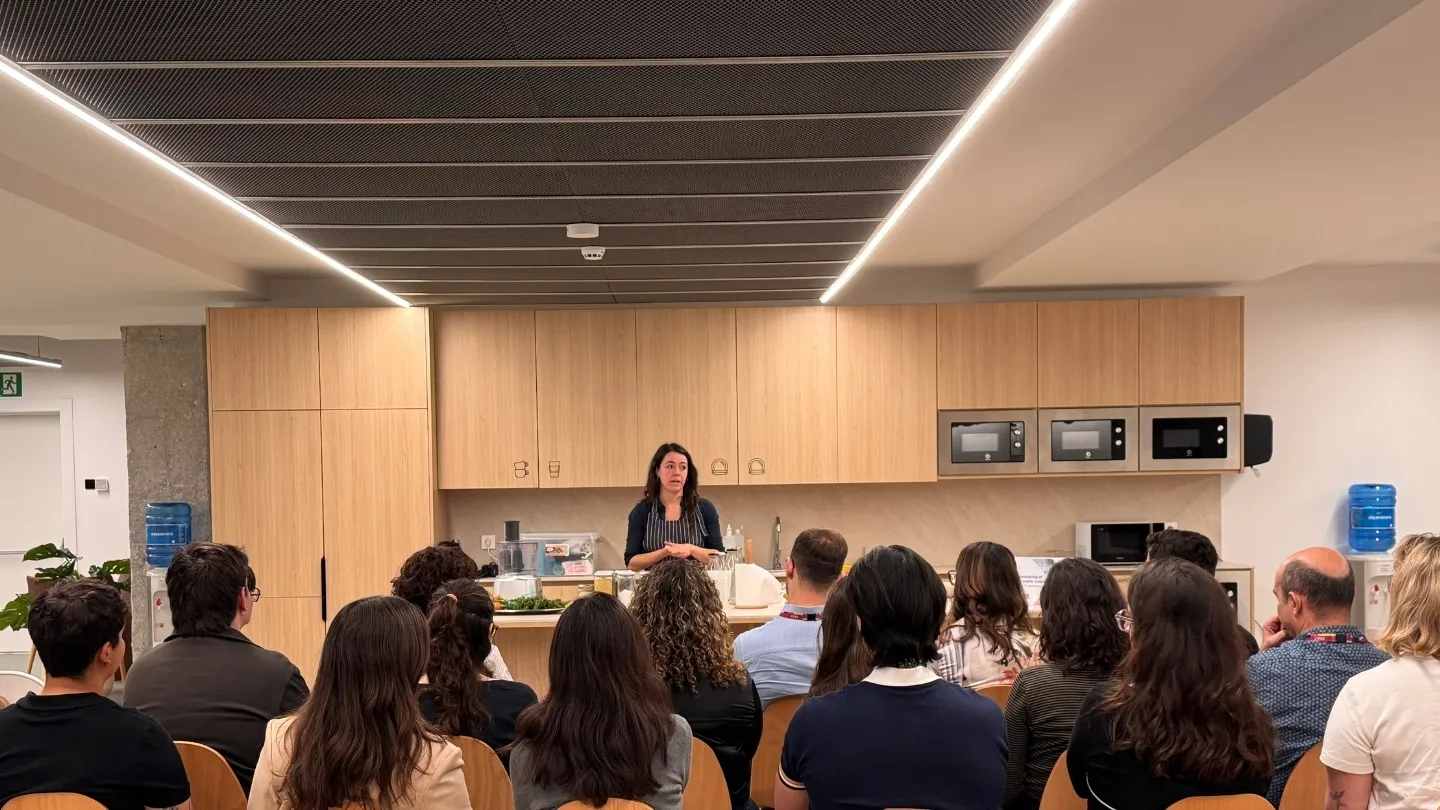
GoZeroWaste provides training on green economy and gamification within the European WISE project. The program aims to empower young people and professionals through interactive digital tools to promote environmental sustainability.
Logo Wise

Partner

Cluster Ed Tech

The WISe (Women in STEM and Empowerment) project is a strategic initiative for the EduTech Cluster because it acts as a direct bridge between the technology sector and young female talent, addressing the gender gap in STEM (Science, Technology, Engineering and Mathematics) areas.

Goals

Objetivos de Desarrollo Sostenible nº 11 Ciudades y comunidades sostenibles

SDG 11 | Cities and 

communities sustainable

Inicio del programa

Promote the design of technological solutions that improve the habitability and resilience of urban environments.

The participants work on challenges to solve problems in modern cities, using data science tools to optimize urban resources and improve the quality of life in communities.

Objetivos de Desarrollo Sostenible nº 12 Producción y consumo responsables

SDG 12 | Production and

responsible consumption

Tutoria

Promote business models that reduce waste and make efficient use of natural resources.

In developing their startup projects, young women must propose solutions that consider the circular economy or efficient materials management, integrating sustainability as a fundamental pillar of the technological business model.

Objetivos de Desarrollo Sostenible nº 13 Acción por el clima

SDG 13 |

Climate action

 
Presentación proyectos

Develop innovation projects that contribute to mitigating the effects of climate change or facilitate adaptation to it.

This is the central focus of the “environmental challenge” mentioned in the activity. Participants use technology and data analysis to propose direct solutions to the climate crisis, supported by the expertise of companies in the energy and environmental sectors (such as L’Energètica or WATTEGA).

What was done?

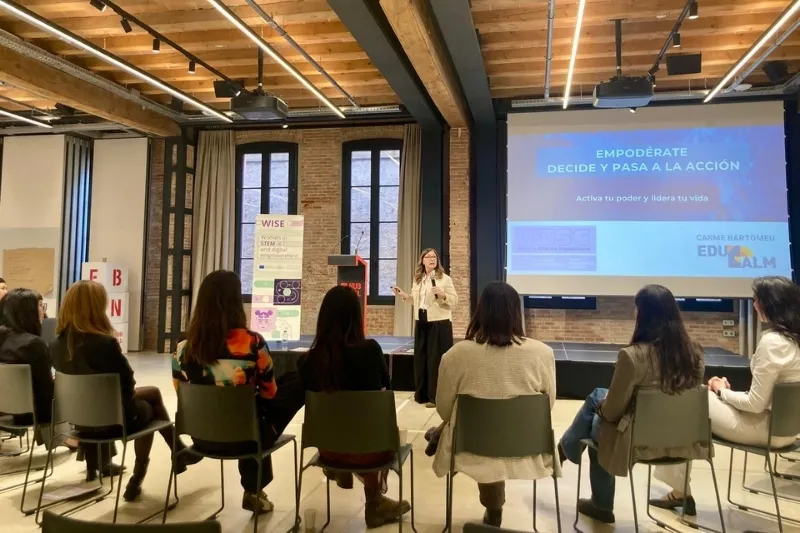
The Beginning: Inspiration and Empowerment

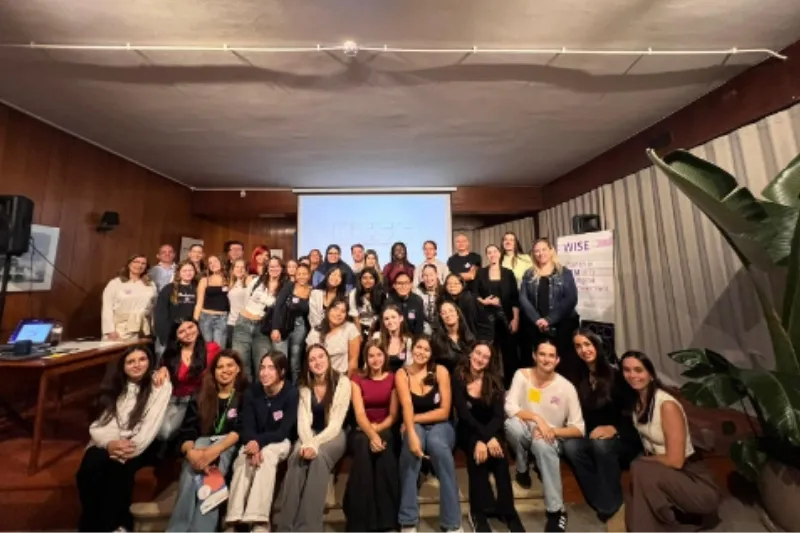
It all began with an opening day focused on motivation and discovery. The project was structured into two routes differentiated by age:

  • For young people aged 19 to 29: They focused on professional mentoring , working on leadership, confidence in technical environments and building a solid career in STEM sectors.

  • For girls aged 15 to 19: The focus was on hands-on immersion . Through training in data science and contact with leading companies (such as L’Energètica and WATTEGA), participants tackled creative challenges. The goal was to transform the perception of technology from something abstract to a tool for solving global problems linked to SDGs 11, 12, and 13 (sustainable cities, responsible consumption, and climate action).

Equipo de formadores y mentores

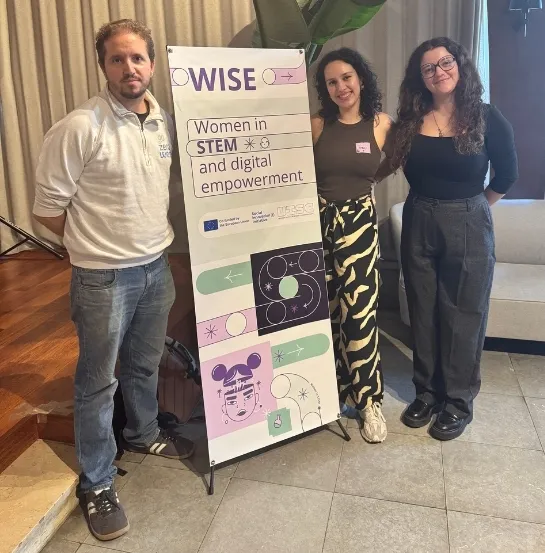
Team of trainers and mentors of the program

Development: From Idea to Action

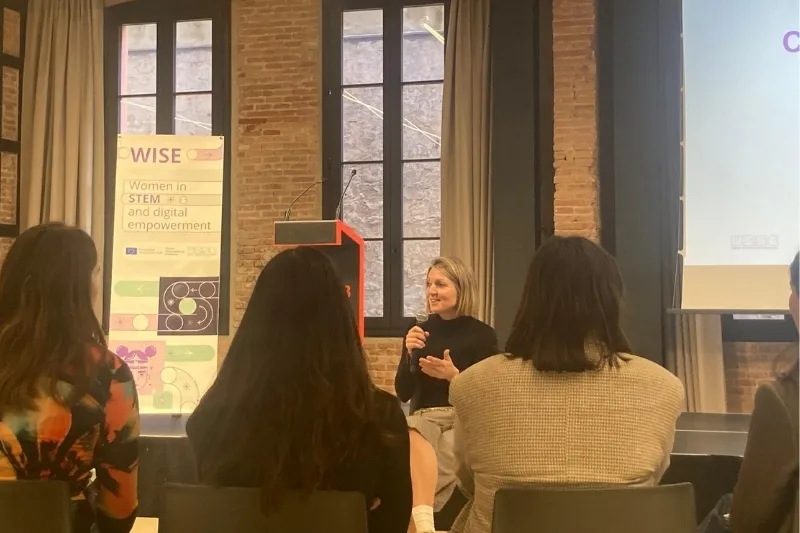
During the program, participants not only acquired technical skills ( hard skills ) but also developed critical soft skills: critical thinking, teamwork, and problem-solving under pressure. The process included the creation of startups focused on environmental challenges, always guided by facilitators and mentors from the ecosystem.

The Closing: Elevator Camp

The cycle culminates with Elevator Camp , the final event where theory becomes practical application. At this gathering, data science students present their projects through brief pitches to a jury and companies within the cluster. It’s a valuable networking opportunity where emerging talent connects directly with the professional world, establishing female role models and enabling companies to recruit skilled professionals committed to sustainability.

In summary, WISe is key to the cluster because it ensures a flow of diverse and qualified talent , vital for innovation and the future of the education and technology sector.

Why is training in sustainability and gamification important?

Sustainability and gamification training is the engine that transforms passive learning into active engagement , providing new generations with an ethical purpose for their technical knowledge while using the design of playful experiences as the ultimate vehicle to foster resilience, creativity and the resolution of the most urgent global challenges.

✅ Purpose as a talent magnet: Sustainability acts as the “why” of technology, attracting young people seeking careers with social and environmental impact, elevating STEM learning from simple technical training to a vital mission linked to the SDGs.

✅ Gamification as a catalyst for “Flow”: By introducing game mechanics into sustainability challenges, the fear of failure is eliminated and an immersive state is generated that allows participants to address complex problems (such as climate change) with a proactive and optimistic attitude.

✅ Development of a design mindset (Design Thinking): This combination forces students to prototype solutions that are not only profitable, but also ethical and fun, training a mental flexibility that is essential in today’s economy.

✅ Humanizing technology: While sustainability provides the necessary awareness to protect the planet, gamification brings psychology to connect with people, ensuring that the future of the EdTech sector is as responsible with the environment as it is empathetic with the user.

Related news

Paasiot – IoT collector device

Go Zero Waste presents an IoT collector for containers, cups, and bags that facilitates and gamifies reuse in the retail and HoReCa sectors.

Microgreen team building for Ecovadis

GoZeroWaste offers a microgreens team-building activity that transforms sustainability into group action. This hands-on experience boosts team cohesion and improves EcoVadis scores through environmental commitment.

Showcooking demonstration of resourceful cooking for Allianz

Go Zero Waste organized a resourceful cooking workshop for Allianz employees, focused on reducing food waste. During the demonstration, participants learned practical techniques and creative recipes to transform leftovers into…