
- Blog
- Good practices
- More zero waste, less recycling
More zero waste, less recycling
- 12/20/2018
- Magda Cebrián
Browse the publication
Many of us grew up with the idea that recycling was a responsible citizen of the planet. This calmed our eco-consciousness and made us feel better. But the truth is that recycling is the last of the three famous “Rs .” Before it comes Reduce, then Reuse. Welcome to Zero Waste.
What if recycling wasn't necessary?
Recycling is the bare minimum and really shouldn’t be necessary, because in a well-designed, idyllic production system, everything is recycled and reused, so there shouldn’t be any waste to recycle.
Recycling is no longer enough. Real change comes from changing consumer habits and purchasing better without generating waste.
Welcome to zero waste living
This is the foundation of the ideas behind the Circular Economy or the ” Cradle to Cradle ” philosophy. They propose a radical, revolutionary change in the entire design and production system.
Can you imagine if every product that doesn’t meet this goal suddenly disappeared? We’d be left with very little because we’re surrounded by things that end up as waste at the end of their useful life.
Cradle to Cradle Certificate Logo
So why recycle?
With all this, we’re not suggesting that recycling shouldn’t happen . More than one person will take our words the wrong way and embrace the excuse to stop sorting, something that many people are too lazy to do.
No, what we’re suggesting is that with certain changes in your life, you’ll recycle as little as possible because by not generating waste, there won’t be anything to throw away in those famous colored bins.
Utopian? Not so much.
What you can do to stop recycling (so much)
- Create habits . If you never leave home without your phone, you can also carry a simple cloth bag. This way, you’ll avoid paying for plastic bags.
- Plan ahead . If you go shopping once a week, it’ll be easier to remember to bring reusable Tupperware and containers from home for your purchases. Fewer bags, less packaging!
- Say no! Start saying no. No to having your sardines wrapped in four pieces of paper and two bags at the fishmonger’s. No to buying those avocados wrapped in plastic when they’re already in their own skin…
- Without stress, little by little . Don’t try to change everything at once. This zero-waste living thing is a process, like everything in life. It’s not difficult, but like any habit, it takes time. Enjoy the process.
The same purchase with single-use plastics and without generating waste.
An app to make it easier for you
We too are walking this path.
They say that if you discover that something useful does not exist, it is an opportunity to create it yourself and that is what we set out to do when we created the Go Zero Waste App .
Technology and smartphones are a great opportunity to put information and tools in the palm of your hand and connect with people in your same situation.
To make this possible, we’re launching a crowdfunding campaign to raise the funds needed to develop a first version of the app. Will you help us?
A journey of a thousand miles begins with a single step.
Lao Tse
Co-founder Magda Cebrián showing our app
Summary and conclusions
Despite the popularity of recycling, it is the last step in the hierarchy of the “three Rs,” with reduction and reuse being much more important for preventing waste generation. The ideal goal, according to the “Zero Waste” philosophy and the “Circular Economy,” is to change consumption habits so as not to produce waste in the first place, which would make recycling unnecessary.
✅ Recycling, although useful, is the last option in waste management; reduction and reuse are much more effective in preventing pollution.
✅ An ideal production system and a “Circular Economy” should eliminate the need for recycling, as products would be designed to be reused and recycled infinitely.
✅ The key to real change is not just recycling, but changing consumption habits to avoid generating waste in the first place.
✅ It’s possible to live with less waste by adopting simple habits, such as using reusable bags and containers and rejecting single-use plastic.
✅ Technology can be a useful tool to help people adopt a “Zero Waste” lifestyle.
Related news
What is furoshiki?
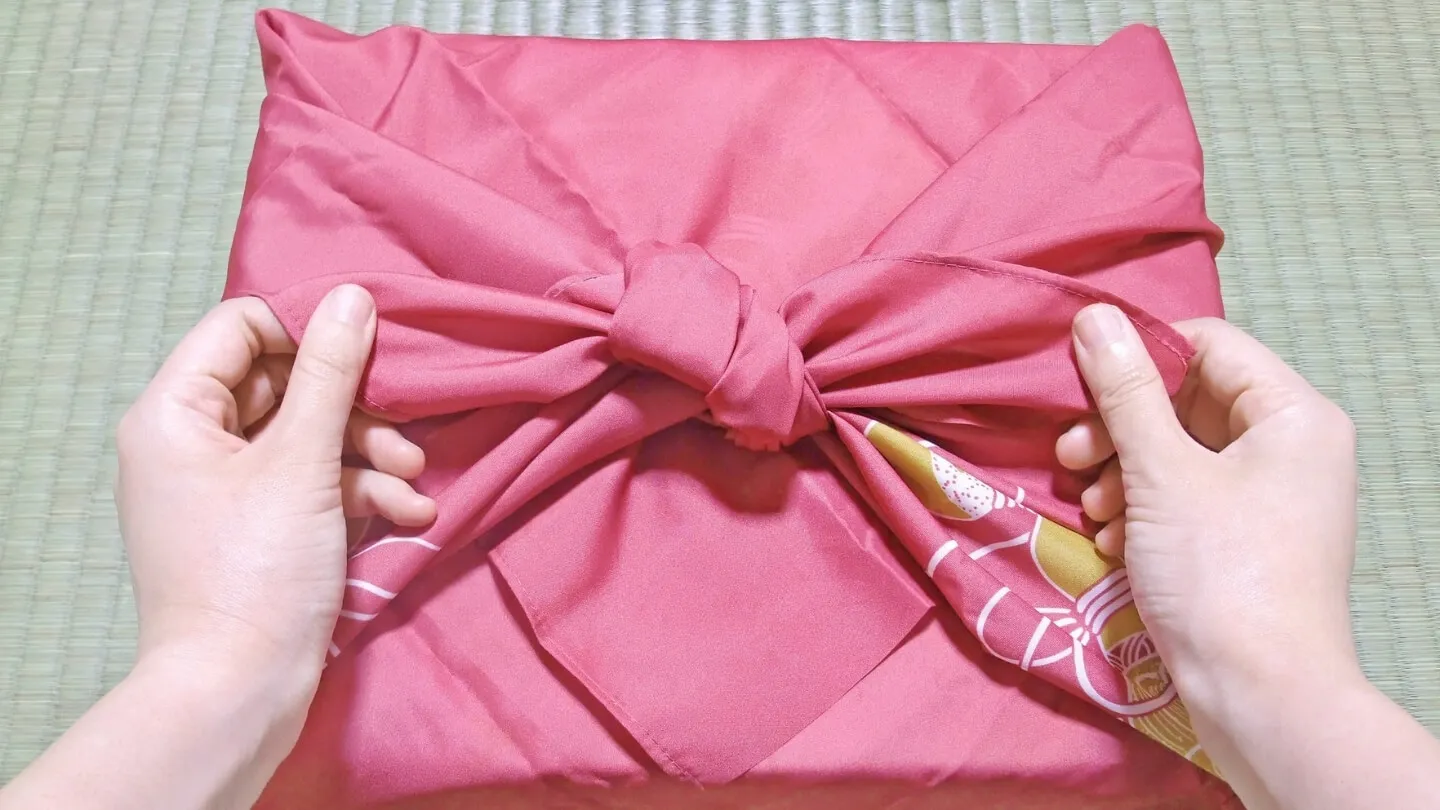
Furoshiki is an ancient Japanese technique for wrapping objects in a cloth. Originating in public baths, it evolved into a versatile form of transport. Today, it's a sustainable, zero-waste alternative…
Creative ideas for a local business campaign in small towns
A creative local commerce campaign promotes conscious consumption and the circular economy through routes, maps, and gamified challenges. It encourages buying locally, minimizes waste, and strengthens neighborhood identity. Through stamps,…
What is solidarity team building?
Community-based team building combines team activities to strengthen communication and cohesion with a positive social or environmental impact. It increases motivation and improves corporate social responsibility (CSR). Examples include reforestation…