
Entrevista a AbonoKm0

Interview with AbonoKm0

We visited AbonoKm0, an association dedicated to transforming organic waste into valuable resources, promoting sustainable practices at both the household and business levels.

Browse the publication

1

What problem are you solving?

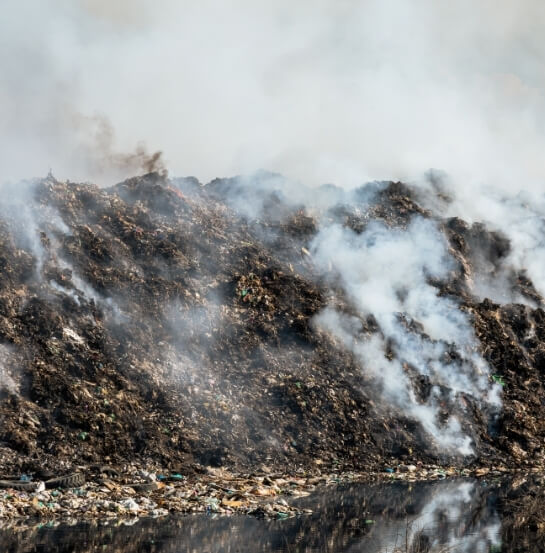
In Abonokm0 we’re tackling several problems that have been ongoing for decades. The main one is the lack of traceability of organic waste . Nowadays, when you throw away waste in a big city, the truth is that most people don’t know where it ends up. It often ends up in landfills or incinerators , and that’s a total failure: we’re burning or burying resources that could return to the earth and complete a natural cycle.

Furthermore, there is poor separation at source —in homes, businesses, and all kinds of spaces—because it doesn’t feel like it serves a clear purpose. Why should I separate properly if everything is mixed together later? We’re here to change that: we ensure that every kilo of organic waste we manage has a dignified , traceable , and regenerative end . We transform waste into quality compost and return it to the earth, all at a local level, without losing its meaning along the way.

The waste is staggering right now. Every poorly sorted trash bag is a lost resource. What Abonokm0 does is reclaim that value , and do so in a completely transparent way so everyone can see that their daily gesture really makes a difference.

¿Qué problema estáis dando solución

Landfill full of organic waste and single-use plastics

2

And how do you solve it?

We solve this by keeping it down to earth, without smoke and mirrors or empty promises. We use low- or zero-emission vehicles , such as electric bikes, to collect waste cleanly, without adding more CO₂ to the city. We collect waste in airtight bins to avoid any cross-contamination or unpleasant odors.

But we don’t stop there. We provide extremely personal advice : we adapt to each client, understanding their reality and needs. We don’t come with a rigid, manual system; instead, we’re ultra-flexible and quick to make decisions.

If something needs to be changed to improve, we change it immediately. Furthermore, we’re 100% transparent: the client always knows what happens to their waste, where it goes, and what it’s transformed into. We want them to trust because they see it, not because we tell them.

¿Y cómo lo solucionáis?

Abono Km0 workers moving waste at a festival

3

What companies or entities can hire your services?

We work with all types of organizations seeking to properly manage their organic waste. Today, we’re active in hotels, restaurants, schools, offices, entire buildings—basically, throughout the entire HORECA sector, as well as in the corporate and educational worlds.

We adapt to each client’s needs. They may simply need safe waste collection for subsequent composting. Or they may be larger projects, such as industries or even entire towns, where we propose solutions to treat the material on-site, at its source.

We don’t come up with a one-size-fits-all system. The first thing we do is listen to each person’s problem, and then we propose the most appropriate biotechnology or solution. Sometimes it’s collection, sometimes it’s processing on-site. We’re flexible because we know each situation is different, but the goal is always the same: closing the organic waste cycle in the cleanest and most efficient way possible.

¿Qué empresas o entidades pueden contratar vuestros servicios?

Image of the Abono Km0 team at a music festival

4

Why is Km0 Fertilizer more sustainable than throwing organic food in the brown bin?

The brown bin isn’t bad in and of itself. The idea of ​​composting organic waste is sound. The real problem lies in how it’s executed. First, at AbonoKm0 we don’t use large industrial trucks to collect waste: we work with low- or zero-emission vehicles like electric bikes. And second, our process isn’t industrial: it’s passive, natural composting, without heavy machinery, huge turners, or unnecessary energy expenditure.

Furthermore, we address a critical issue that the brown container doesn’t address: source separation. Today, the brown container is hyper-contaminated with waste that shouldn’t be there. This means that much of what arrives at the plants ends up in landfills anyway. We focus on supporting each client so that the waste they generate is clean and truly compostable from the very beginning.

In short: a smaller carbon footprint, less energy used, less contaminated waste. It’s not just about collecting; it’s about changing the system from the ground up.

¿Por qué Abono Km0 es más sostenible que tirar los orgánicos en el contenedor marrón?

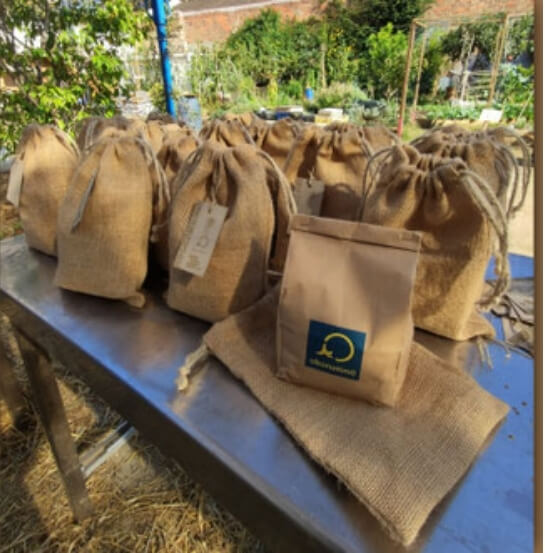
Km0 Compost Bags filled with compost made from organic waste provided by customers

5

Who are your key partners?

Our key partners are both private companies and public organizations. We work with companies that provide us with composting systems, from small technologies for communities to industrial equipment for larger solutions. We also collaborate with manufacturers of specific machinery for organic waste treatment.

In the public sector, a very important partner is city councils, who hire us to manage community composting and implement circular economy systems in their municipalities. Essentially, we partner with those who allow us to further our mission: transforming waste into resources in a real, local, and sustainable way.

6

We're almost done. Could you give us some multimedia recommendations from your world?

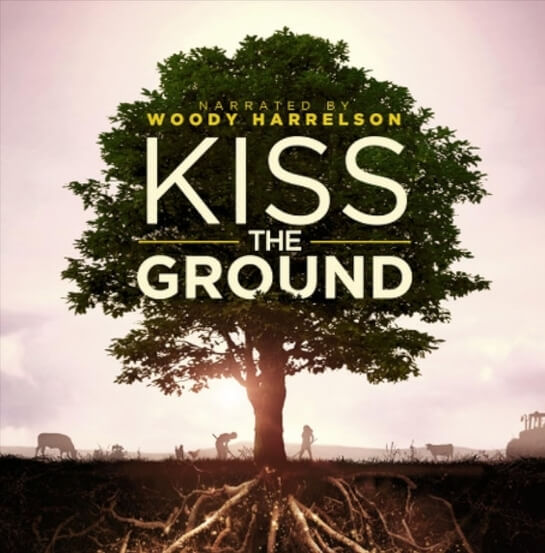
🎬 A documentary:: Kiss the Ground

📖 A book: The Farmer’s Folly: Erosion, an Ecological Approach. Faulkner, Edward H.

🎙Podcast: Nación Compost #26 – María Belén GIdoni – AbonoKm0 de Barcelona: 

🌐 Web  https://www.soilfoodweb.com/

📱 App: https://gozerowaste.es/ 😉

🗣 A talk: Elaine Ingham The roots of your profits: The Roots of Your Profits – Dr Elaine Ingham, Soil Microbiologist, Founder of Soil Foodweb Inc

🗓 A composting event:    

La Setmana Internacional del Compost. ICAW 

Recomendaciones documental abono

Kiss the Ground documentary available on Prime Video

Related news

What is furoshiki?

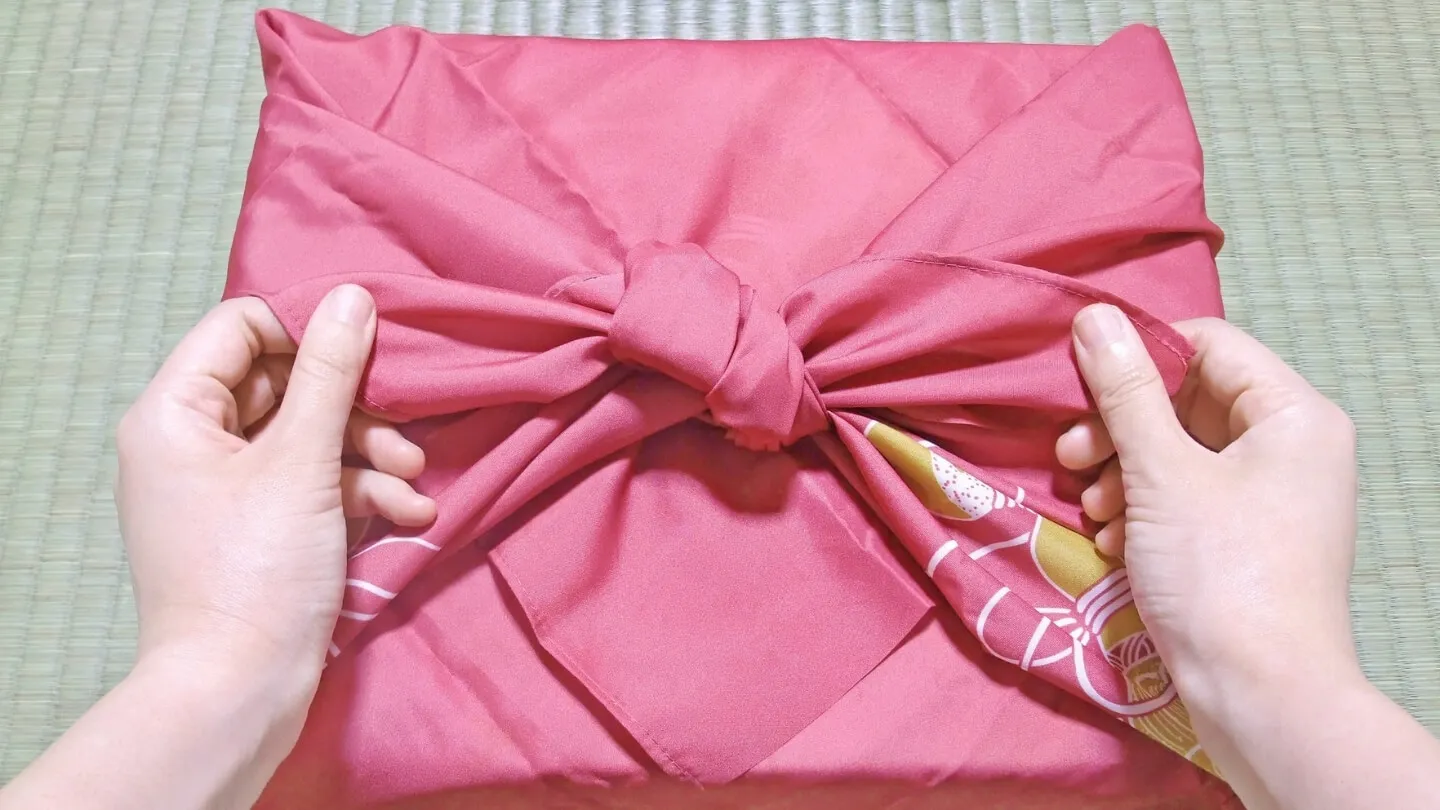
Furoshiki is an ancient Japanese technique for wrapping objects in a cloth. Originating in public baths, it evolved into a versatile form of transport. Today, it's a sustainable, zero-waste alternative…

Creative ideas for a local business campaign in small towns

A creative local commerce campaign promotes conscious consumption and the circular economy through routes, maps, and gamified challenges. It encourages buying locally, minimizes waste, and strengthens neighborhood identity. Through stamps,…

What is solidarity team building?

Community-based team building combines team activities to strengthen communication and cohesion with a positive social or environmental impact. It increases motivation and improves corporate social responsibility (CSR). Examples include reforestation…