
Como implementar la economia circular en tu empresa

How to implement the circular economy in your company

Browse the post

Below, I present 5 key actions to transform your linear model into a circular one, along with real examples that are already paving the way.

1

Ecodesign

Around 80% of a product’s environmental impact is determined during the design phase. Implementing the circular economy means designing products that are easy to repair, disassemble, and recycle.

Example of good practices

🧥 Ecoalf: They design high-quality garments using recycled materials (fishing nets, PET bottles), keeping the design timeless to extend its useful life.

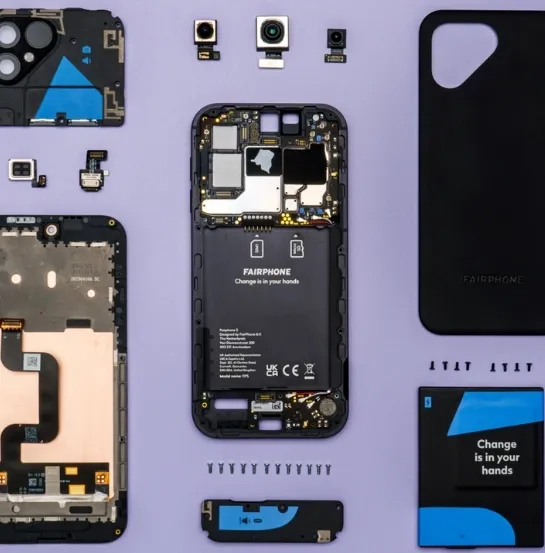
📱 Fairphone (Netherlands). They created a modular smartphone. If the screen breaks or the battery fails, users can buy the part and replace it themselves, keeping the whole device out of the waste stream.

Agencies specializing in ecodesign

✏️ Lúcid Design Agency: a strategic design and innovation agency with a “360°” approach. Its goal is to create business opportunities by turning ideas into products and brands with a positive impact.

💻 Oiko Design: a product design and materials consultancy office focused specifically on the transition to a circular economy.

Disassembled components of a Fairphone 5 arranged on a purple background, showing its modular and repairable design as an example of eco-design in a circular economy

The parts that make up a Fairphone

2

Servitization: From Product to Service

Stop selling the object and start selling the outcome or the access to it. When a company retains ownership of the product, it has a direct incentive to make it last as long as possible and keep it easy to maintain.

Examples

💡 Philips with its “Light as a Service” model. Instead of selling light bulbs to large clients (like airports), they sell lighting. Philips takes care of maintenance and efficiency, recovering materials at the end of their useful life.

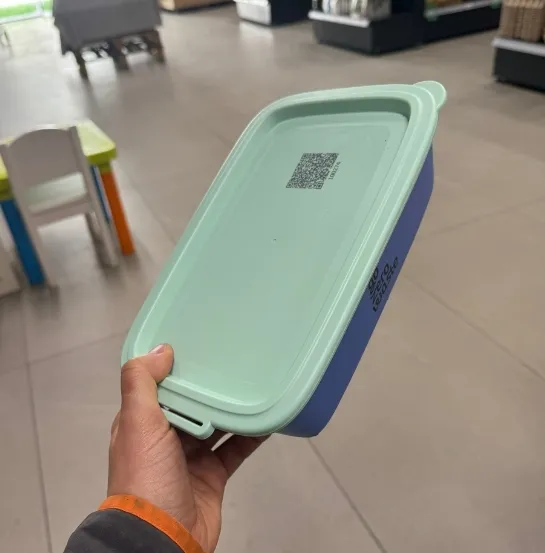
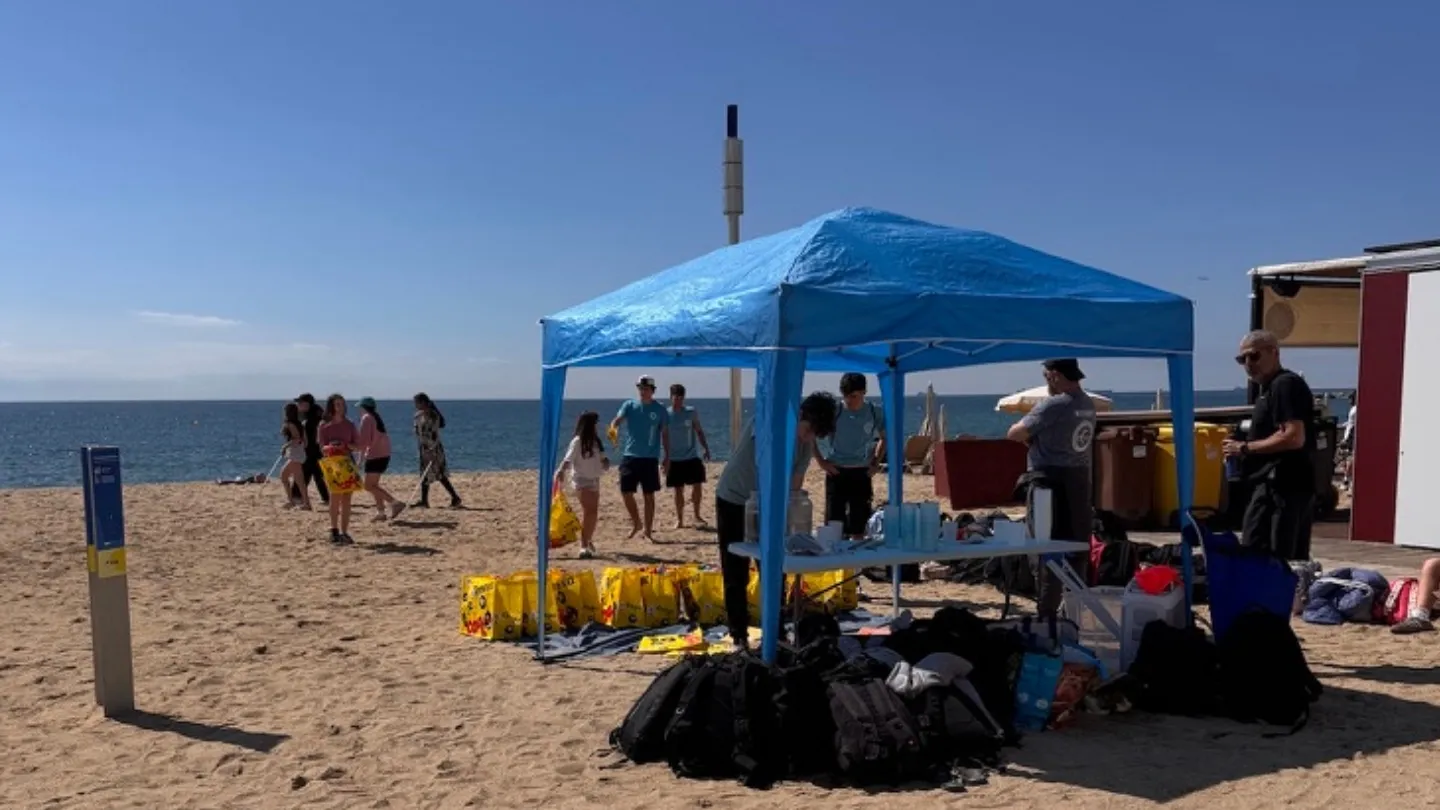
🥣 Our packaging reuse service allows the HoReCa sector to offer a loan of a reusable item that was previously a sale of a single-use container.

Companies specializing in servitization

🏭 Bostnan: One of the national consultancies most specifically focused on industrial servitization. 

Servitización_ Del producto al servicio

Go Zero Waste packaging reuse service

3

Reverse Logistics and Recovery Programs

Establish channels for your customers to return products when they no longer need them or when they are damaged. This allows you to recover valuable materials at a lower cost than virgin raw materials.

Examples

🗻Patagonia and its “Worn Wear” program. They buy used clothing from their own brand from customers, repair it, and resell it, closing the consumption cycle.

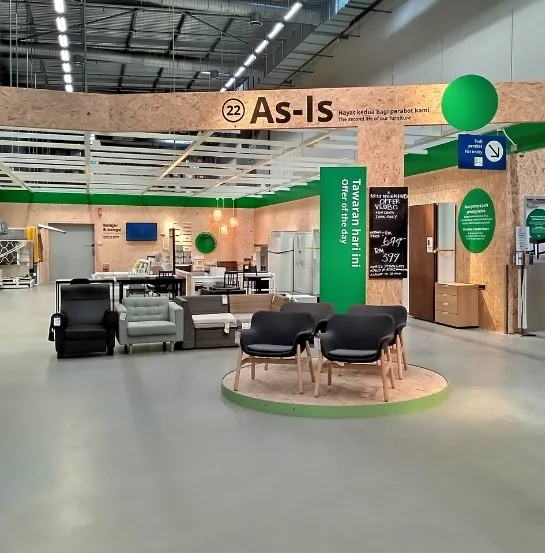
🧺 IKEA. They have implemented the “Circular Hub” service, where they buy back used IKEA furniture from their customers in exchange for gift cards, and then sell it in a “bargain” section after it has been checked.

Logística Inversa y Programas de Recuperación

Circular space at Ikea

4

Industrial Symbiosis

It involves collaborating with other companies (or sectors) so that one company’s waste becomes another’s raw material. It’s about turning waste into a financial asset.

Examples

🪢 Zicla. This Spanish company uses industrial plastic waste (such as electrical cable sheathing) to manufacture urban furniture products, such as the bike lane separators you see in many cities.

Platforms that facilitate industrial symbiosis

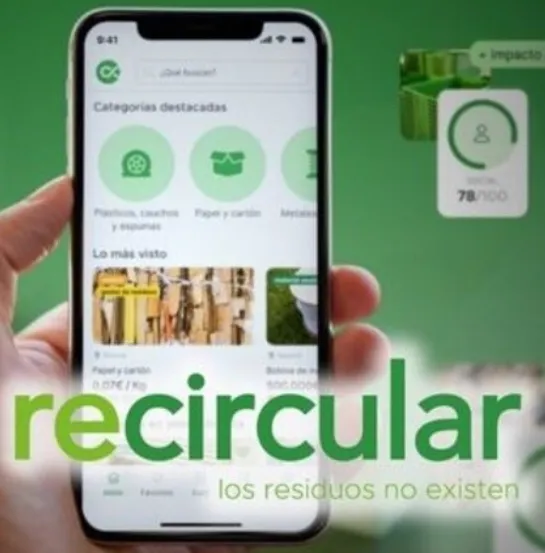
♻️ Recircular: Unlike a traditional bulletin board, Recircular uses algorithms and Artificial Intelligence to connect businesses. Its philosophy is that “waste doesn’t exist, it’s just misplaced resources.”

Simbiosis Industrial

Image from the Recircular platform

5

Suppliers and Circular Purchases

Prioritize suppliers that use recycled materials, offer reusable packaging, or have sustainability certifications. 

Examples

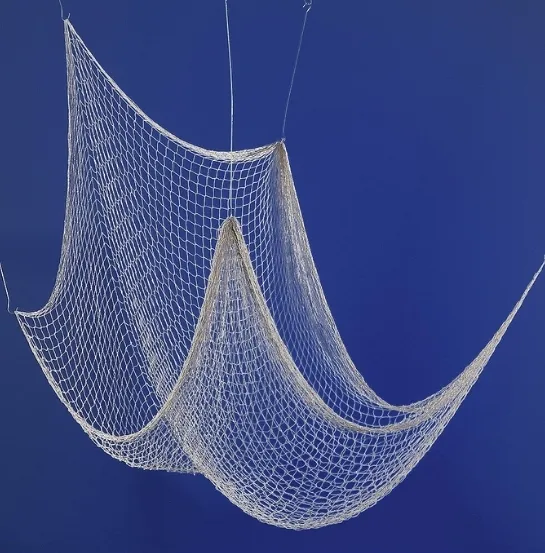
Interface:They manufacture carpets from fishing nets recovered from the ocean. Local fishermen collect abandoned nylon nets from the seabed and coastlines, clean them, and then Interface processes them and turns them into carpets. 

Smurfit Kappa: The company collects used paper and cardboard (from businesses, supermarkets and industries), processes it in its own recycling plants and turns it into packaging boxes for its customers. 

Proveedores y compras circulares

Fishing nets become carpets with Interface

6

FAQs

Implementing this model is not just an ethical matter, but a smart business strategy . It helps reduce operating costs, fosters innovation, improves brand reputation, and increases the company’s resilience to potential shortages or price volatility of raw materials.

This is crucial, as it is estimated that 80% of a product’s environmental impact is determined during its design phase. Ecodesign aims to create products that are easy to repair, disassemble, and recycle from the outset, thus extending their lifespan and preventing them from becoming premature waste.

Servitization proposes a shift from selling a physical object to selling a service or a result . For example, instead of selling light bulbs, a company can sell “lighting.” In this way, the company retains ownership of the product and has a direct incentive to make it durable and easy to maintain, recovering the materials at the end of its life cycle.

It’s a collaborative model where one company’s waste becomes another’s raw material . This transforms what was once waste (and a management cost) into a financial asset and a useful resource for another sector, closing the materials loop.

It is recommended to follow the Hierarchy of the “R”s in a logical order:

  1. Reject what is unnecessary and reduce consumption.

  2. Reuse and repair materials whenever possible.

  3. Recycling should only be used as a last resort for things that could not be reused in the previous ways.

FAQs How to implement the circular economy in your company
7

Summary and conclusions

The circular economy is not just an ethical trend, but a smart business strategy that enables companies to be more resilient and efficient. The traditional “take, make, and discard” model is unsustainable, and we propose a transition to a system that mimics nature, where nothing is wasted. Implementing this model involves rethinking everything from product design to final waste management , prioritizing reduction and reuse over recycling, with the aim of optimizing resources, saving costs, and improving brand reputation.

✅ Prioritize the Hierarchy of the “R’s”: The key is not just to recycle, but to follow a logical order: first, Reject the unnecessary and Reduce consumption; then, Reuse and repair materials; and finally, Recycle only what could not be used in another way.

✅ Ecodesign and Management at the Source: True transformation begins in the design phase. Companies must choose sustainable, durable, and easy-to-repair or disassemble materials so that, at the end of their useful life, they can re-enter the production cycle without generating waste.

✅ Digitization and Operational Efficiency: Implement simple but effective changes, such as digitizing documents to eliminate paper use, reviewing sustainable local suppliers, and optimizing packaging to reduce single-use plastics.

✅ Team Involvement and Communication: The circular economy requires a shift in corporate culture. It is essential to train and involve employees in the new processes and communicate achievements to clients and partners to strengthen the company’s identity as a responsible and conscious business.

💡 Do you want to implement these actions in your company?

At Go Zero Waste, we help businesses design and implement their circular economy strategy. Check out our services for businesses or book a free call with our team.

AUTHOR

Magda Cebrián

Co-Founder & CMO of Go Zero Waste

Environmental consultant and impact entrepreneur, based in Barcelona and specializing in sustainability, zero waste and circular economy.

12 years
experience
200+
projects
87
published articles

Related news

Five most in-demand sustainability and environmental training topics for companies

Blog 07/14/2026 Magda Cebrián Sustainability and environmental training has gone from being an optional extra to a strategic necessity. European regulatory pressure, demands from clients and investors, and the growing…

Six fun team building activities

Blog 06/29/2026 Magda Cebrián Team building is no longer what it used to be. Today’s most forward-thinking companies are investing in experiences that combine team cohesion, a genuine purpose, and…
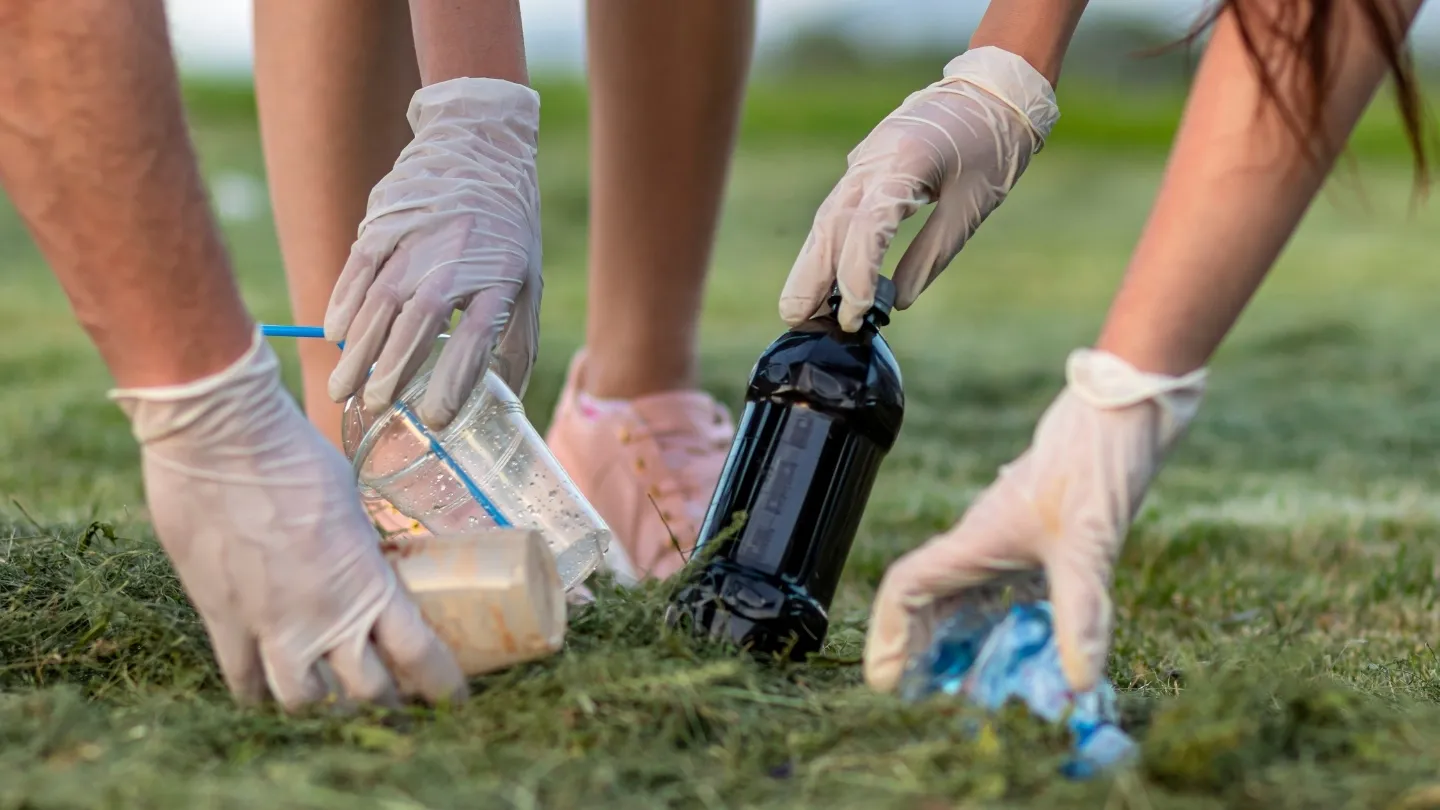
What is plogging: sport, environmental awareness and community in action

Blog 06/18/2026 Magda Cebrián ¿Y si cada vez que salieras a correr pudieras dejar el mundo un poco más limpio de lo que lo encontraste? Eso es exactamente lo que…