

- Blog
- VSME: what it is and how to implement it
VSME: what it is and how to implement it
- 07/21/2026
- Magda Cebrián
Sustainability is no longer the sole domain of large corporations. With new reporting requirements coming into effect, SMEs are facing increasing pressure from banks, investors, and large clients demanding reliable ESG data.
This is where the VSME (Voluntary ESRS for SMEs) standard comes in , a strategic tool designed to simplify sustainability accountability and facilitate the transition to a circular economy.
SMEs represent 99% of EU businesses, making their sustainable transition a decisive factor for the entire European economy.
Browse through the publication
Regulatory context and current issues in ESG reporting
The urgency to transform our production models into circular and decarbonized systems is becoming increasingly unavoidable. According to official UNEP data, “resources extracted from the Earth have more than tripled in the last fifty years and continue to rise,” as indicated in the UNEP International Resource Panel report . This pressure on resources demands immediate transparency, which many companies do not know how to address.
The challenge of sustainability reporting in SMEs
For a small business, reporting environmental data often requires considerable time and investment. The lack of a clear standard creates uncertainty about which indicators to prioritize.
The pressure of the value chain and large corporations
Although an SME may not be legally obligated by complex European directives, its corporate clients are, requiring them to provide accurate data on their ecological footprint.
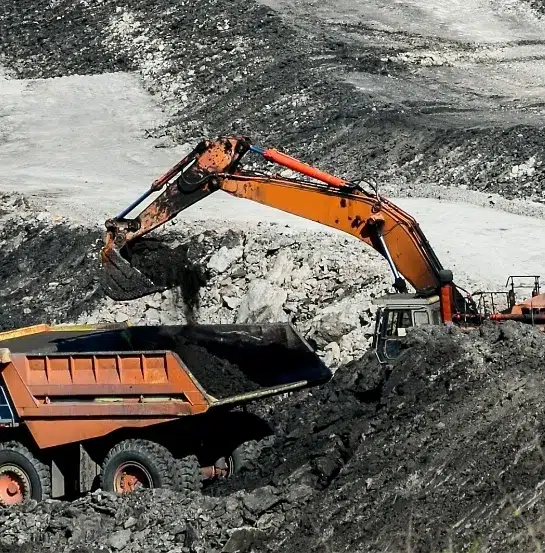
The resources extracted from the Earth have more than tripled in the last fifty years. This is the context that makes environmental transparency from all companies, including SMEs, urgently necessary.
What is VSME and what is it used for?
The VSME (Voluntary Sustainability Reporting Standard for SMEs) is a voluntary standard developed by EFRAG to help unlisted small and medium-sized enterprises report sustainability information in a structured and proportionate manner.
The origin of the standard
It was born as a response to the cascade of ESG data demands that large companies, forced by the CSRD, transfer to their value chain.
Who is it for?
It is designed for micro-enterprises and SMEs not subject to mandatory reporting that, nevertheless, need to respond to third-party requirements.
Why companies demand it:
Large companies subject to CSRD must report on their entire value chain, not just their own operations. To comply with their ESRS, they need data on emissions, waste, and social aspects from their suppliers, most of whom are SMEs. They then pass this requirement down the chain.
The VSME was created by EFRAG, the European Commission’s advisory body on corporate reporting. It is a key resource for any SME that wants to anticipate ESG requirements.
Step-by-step tutorial to get started using VSME
Step 1: Initial Diagnosis
Assess your current situation by identifying what data you already collect and what is missing. A professional waste audit is an ideal starting point.
Step 2: Data Collection
Establish reliable measurement systems for energy, water, waste and emissions throughout a full fiscal year.
Step 3: Report Preparation
Structure the information following the standard templates, prioritizing clarity and traceability of each reported data point.
Step 4: Verification and continuous improvement
Compare the results and define measurable reduction targets for the next cycle, supported by an engagement and training program .
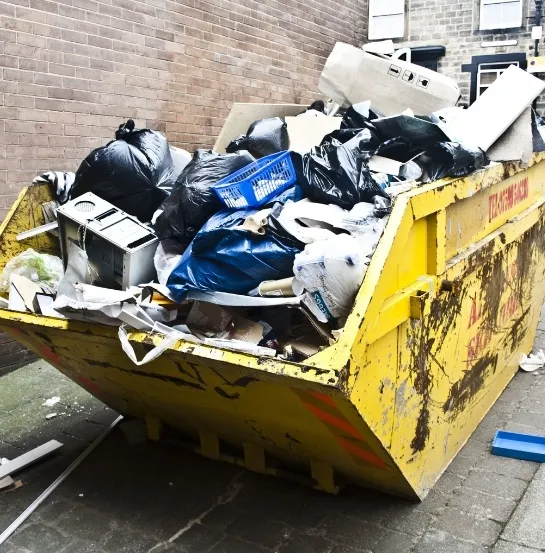
Without data, there is no improvement. The VSME forces SMEs to confront their waste generation head-on and, for the first time, measure what they actually produce.
Comparison of services similar to VSME in Spain
In the Spanish market, several reporting frameworks and tools coexist, which should be differentiated.
VSME versus international frameworks
Unlike GRI or CSRD itself , VSME offers a lighter approach adapted to the reality of SMEs.
Tools and local consulting
There are specialized platforms and consultancies; it is worth valuing sector experience and support beyond just price.formas y consultoras especializadas; conviene valorar la experiencia sectorial y el acompañamiento más allá del precio.
International best practices as a reference
Observing those who are already leading the circular economy accelerates learning.
The Nordic model
Initiatives such as the Ellen MacArthur Foundation document business cases of circularity applicable to any size company.
Observing those already leading the circular economy accelerates learning. The Ellen MacArthur Foundation is the global benchmark for finding real-world examples applicable to companies of any size.
Frequently Asked Questions about VSME
No. The VSME is a voluntary standard . However, although there is no direct legal obligation, many SMEs adopt it because their large clients, banks, or investors require structured sustainability data.
The CSRD is mandatory and affects large, publicly traded companies, with very demanding reporting requirements (the ESRS). The VSME is voluntary and proportionate , specifically designed to allow SMEs to respond to these demands without assuming the same administrative burden.
It depends on the starting point and the chosen module. The basic module requires few resources if you’re already collecting consumption data. The main cost isn’t financial, but rather the time spent collecting and organizing the information over a full fiscal year.
Typically, the first report takes between three and six months to produce, as you need data from a representative period. From the second year onward, the process is streamlined because measurement systems are already in place.
It’s not essential, but it speeds up the process and reduces errors . A specialized consulting firm provides methodology, templates, and sector-specific expertise, which is especially useful in the diagnostic phase and in defining reduction targets.
Increasingly, SMEs that fail to report their VSME (Value-Sized Enterprises) are being excluded from tenders, contracts with major clients, and certain lines of financing . Anticipating this can turn VSME into a competitive advantage rather than a barrier.
Absolutely. It’s recommended to start with the essentials and expand to the comprehensive module as your clients’ demands or your own sustainability expertise grows.

Summary and conclusions
The VSME will mark the turning point between SMEs that anticipate changes and those that fall behind. Adopting this voluntary standard is not just another administrative burden, but a strategic decision that opens doors to financing, public procurement, and major European value chains.
At Go Zero Waste, we help SMEs transform regulatory requirements into opportunities. Through audits, training, and technology, we turn sustainability data into a real, measurable competitive advantage, ready for the future of Europe.
✅ It is voluntary but strategic: although it does not legally oblige the SME, it responds to the demand for ESG data from customers, banks and investors.
✅ It stems from the CSRD cascade effect: large companies transfer their reporting obligations to their entire value chain.
✅ It is proportional and modular: it offers a basic module and an integral one, adapting to the size and maturity of each company.
✅ It functions as a common European language: developed by EFRAG, it allows for one-time reporting and responses to multiple clients across the EU.
✅ It opens doors, it doesn’t close them: it facilitates access to funding, tenders, and large contracts; those who don’t report are left out.
💡Is your SME ready to turn sustainability into a competitive advantage?
Don’t wait for a client or bank to demand information you don’t yet have. Be proactive, report accurately, and open doors to financing, tenders, and major European value chains.
At Go Zero Waste we accompany you every step of the way: from the initial diagnosis to your first VSME report.

Magda Cebrián
Environmental consultant and impact entrepreneur, based in Barcelona and specializing in sustainability, zero waste and circular economy.
- Corporate sustainability
- Circular economy
- Environmental education
- Zero waste projects
- ESG & CSRD Reports
Related projects
Bodega La Peninsular
Bodega La Peninsular joins the Go Zero Waste movement with reusable containers for takeaway and for carrying away leftovers. Less waste, less refuse, and a greater commitment to the environment.