¿Qué es el residuo cero

What is zero waste?

Imagine living with virtually no waste. This is the philosophy behind Zero Waste, and it's revolutionizing the way we care for the planet. Are you ready to discover how it works?

Browse through the publication

1

Where does zero waste originate?

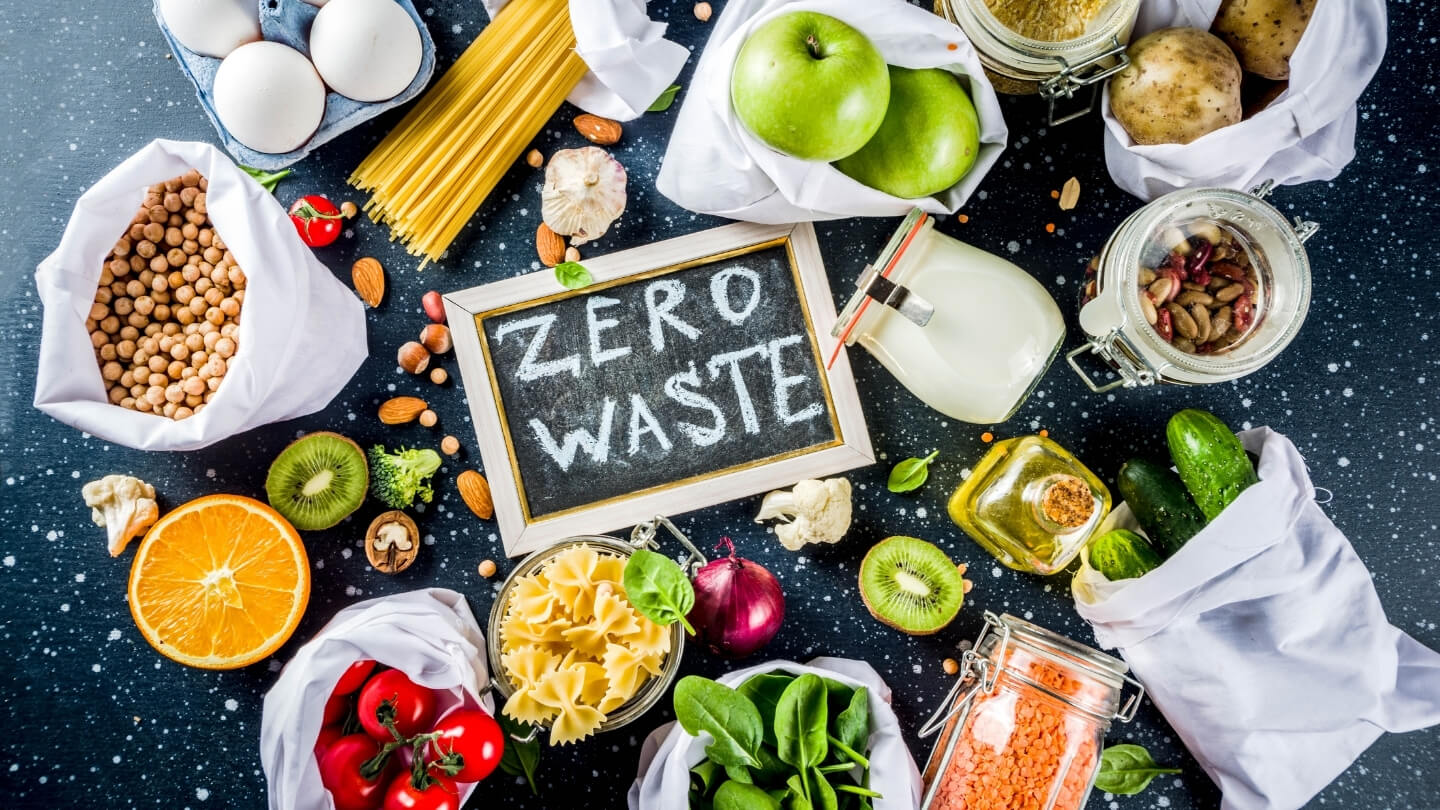
Zero waste is a movement whose goal is to reduce the waste we generate as much as possible so that none of it ends up in landfills or incinerators. This philosophy is based on a simple principle: every resource we use has an impact on the planet, so it is essential to use material resources responsibly and minimize waste production. Unlike recycling, which manages waste once it already exists, zero waste seeks to prevent waste from being generated in the first place.

The zero waste movement promotes conscious consumption, focusing on rethinking, reducing, refusing, reusing, recycling, and composting  to move ever closer to zero waste. This approach, which more and more individuals and companies are adopting, goes beyond simply separating waste at home: it involves not only a change in lifestyle and greater awareness of the products manufactured by companies that we then buy and use.

¿Donde nace el residuo cero_?

Image showing zero waste at home

2

Why is zero waste important?

In a world where pollution from plastics and other waste has become an alarming problem, the zero-waste concept offers a clear alternative. By generating less waste and using durable and recyclable products, you reduce your ecological footprint and contribute to preserving natural resources.

The benefits of zero waste are many, but some of the main ones include:

  • Environmental protection : by avoiding single-use products, for example, you reduce the amount of materials that end up in landfills or pollute the oceans.
  • Cost savings : By choosing reusable products and reducing consumption, you can see a positive impact on your wallet. A clear example of this is menstrual products like reusable cups or underwear. 
  • Promoting a circular economy : Zero waste fosters a circular economy, where products are designed to last and be repaired and reused or recycled without losing value instead of being discarded.

¿Donde nace el residuo cero_​

A more sustainable planet thanks to zero waste

3

Zero waste principles you can apply in your life

Want to know how you can implement zero waste in your life? Here are some of the key principles:

  1. Reject : Avoid single-use products and choose durable, reusable alternatives. For example, instead of plastic bags, use cloth bags for your shopping. But be careful! The key is to have few bags and reuse them a lot. If you have many and accumulate them, then it ceases to be sustainable. 
  2. Reduce : Buy only what you really need. Avoiding unnecessary items is a simple way to decrease consumption and waste. You’ll also notice the difference in your wallet: you’ll stop spending money on things you don’t need. 
  3. Reuse : Give a second life to the products you already have. From containers to clothing, reuse is one of the pillars of zero waste. It’s also a great opportunity to foster creativity.
  4. Recycle : While recycling isn’t the ultimate solution, it remains a valuable tool when refusing, reducing, or reusing isn’t possible. It’s important to do it correctly so that materials don’t lose value and are used to their fullest potential. 
  5. Composting : If you have access to a composting space, take advantage of it to turn your organic waste into fertilizer . It’s an excellent way to return nutrients to the soil and reduce the volume of garbage you generate, and it’s one of the cornerstones of zero waste and the circular economy. 

Los 5 principios básicos del movimiento residuo cero

Reuse of bags

4

How zero waste can benefit businesses and the workplace

Adopting zero waste isn’t just for households; businesses can also benefit from these principles. By reducing material consumption and choosing sustainable options, companies can become zero-waste businesses. This not only helps the environment but also enhances their brand image and fosters a culture of environmental responsibility .

Furthermore, many companies are beginning to implement circular economy practices , including reusing materials and optimizing processes to reduce waste. This approach contributes to the creation of green jobs and the promotion of a waste-minimizing economy.

The first step towards zero waste as a company is understanding the waste you generate. The best way to do this is through a waste audit , like the ones we offer at Go Zero Waste. This way, you obtain the necessary data to implement improvements based on waste prevention and reduction. Furthermore, you can identify opportunities to reduce costs and even generate new revenue streams.

Cómo el residuo cero puede beneficiar a las empresas y al entorno laboral

Resource optimization through the circular economy

5

Is zero waste an achievable goal?

While achieving absolute zero waste can be challenging, it’s possible to get very close to the goal by applying the principles we’ve discussed as experts and a zero-waste company. Every small change you make, such as reducing your plastic use or recycling at home, adds up on the path to a more sustainable life. It’s not about achieving perfection, but about improving your waste reduction every day and contributing to positive change. However, it’s also important to avoid greenwashing: some actions have a greater impact than others, and it’s crucial to know which ones and how to implement them. For example, properly separating organic waste is much more important than reducing the use of certain single-use plastics. 

The zero-waste philosophy encourages us to be more aware of our impact on the planet and to act proactively to protect the environment. So, if you’re wondering what zero waste is and how it can benefit you, the answer is simple: it’s a way of life that seeks to prevent and reduce waste and promote responsible consumption , both at home and in the workplace.

¿Es el residuo cero una meta alcanzable

Step by step to zero waste

6

Summary and conclusions

Waste prevention is one of the cornerstones of the circular economy because it prevents materials from becoming garbage. Technology, innovation, and citizen participation play a key role in making this transformation possible. 

✅ The best way to manage waste is not to generate it.

✅ Small daily gestures like using reusable bottles, buying in bulk, or repairing objects create a big impact. 

✅ Waste prevention provides environmental, economic, and social benefits

✅ Businesses, municipalities and educational centers can adopt measures that help with prevention 

Related news

What is furoshiki?

Furoshiki is an ancient Japanese technique for wrapping objects in a cloth. Originating in public baths, it evolved into a versatile form of transport. Today, it's a sustainable, zero-waste alternative…

Creative ideas for a local business campaign in small towns

A creative local commerce campaign promotes conscious consumption and the circular economy through routes, maps, and gamified challenges. It encourages buying locally, minimizes waste, and strengthens neighborhood identity. Through stamps,…

What is solidarity team building?

Community-based team building combines team activities to strengthen communication and cohesion with a positive social or environmental impact. It increases motivation and improves corporate social responsibility (CSR). Examples include reforestation…