
¿Qué es el movimiento residuo cero?

What is the Zero Waste movement?

Waste? No, thank you. The zero waste movement invites us to live cleaner, more sustainable lives, striving to ensure that nothing ends up in landfills or the ocean. Will you join the change?

Browse through the publication

1

Origin and foundations of the zero waste movement

The zero-waste  concept began to gain traction in the early 2000s, although awareness of the need to reduce waste is not new. However, the movement as we know it today aims to minimize waste to a near-zero level , ideally preventing anything from ending up in a landfill or the ocean.

The main goal of the zero waste movement  is to mimic nature’s processes, where the concept of “waste” doesn’t exist. Every resource is used and reused , without generating unnecessary waste. Under this approach, zero waste is based on the principles of reducing, reusing, recycling, composting, and refusing what we don’t need, thus preventing the accumulation of waste.

Origen y fundamentos del movimiento residuo cero

Libro de Bea Johnson

2

The 5 basic principles of the zero waste movement

To better understand how to lead a zero-waste life,  it is helpful to know the five principles that form the basis of this philosophy.

  1. Refuse : Learn to say “no” to products you don’t need or that will only add more waste. Free samples, single-use plastics, and unnecessary packaging are examples of what you can avoid in your daily life.
  2. Reduce : Reduce the amount of products and goods you consume. This applies not only to everyday items but also to other aspects of life such as clothing or electronic devices.
  3. Reuse : Instead of opting for single-use products, look for alternatives that you can use repeatedly. Reusing bags and containers are simple ways to apply this principle.
  4. Recycling : While recycling is useful, the zero-waste movement prioritizes the alternatives mentioned above. Recycling should be the last resort, as the process itself consumes resources and is not always efficient.
  5. Composting : Instead of sending food scraps to the landfill, you can choose to compost. Composting turns organic waste into fertilizer, enriching the soil without generating greenhouse gases.

Los 5 principios básicos del movimiento residuo cero

Reuse of bags

3

Benefits of joining the zero waste movement

Joining the zero waste movement not only benefits the planet, but also you. First, it reduces your environmental impact by decreasing the amount of waste you generate and the resources you consume.

Furthermore, this lifestyle can help you save money in the long run , since reducing your consumption of products and opting for reusable alternatives lowers your expenses.

Another important benefit is the improvement of your health, since by avoiding plastics and single-use products, you can reduce your exposure to toxic substances, such as the chemicals present in some packaging.

Adopting a more conscious approach to consumption allows you to live a simpler and more organized life, freeing yourself from excess objects and enjoying the essentials.

Beneficios de sumarse al residuo cero

Estilo de vida saludable

4

How to start your journey towards zero waste

At Go Zero Waste , we firmly believe that a waste-free world is possible and that every individual, company, or municipality can be an active part of this transformation. Our commitment is to support you on this journey, offering customized and effective solutions to reduce your environmental impact.

We cater to all sectors, from households to large organizations. We work with businesses local councils educational institutions , and the HoReCa sector (hotels, restaurants, and cafes), applying the principles of the circular economy and eliminating pollution at every stage. We know that adopting a zero-waste lifestyle can seem challenging, but we’re here to make it easier, more inspiring, and more sustainable.

We want to be your ally in this change , providing you with all the tools and strategies you need to move forward on your path to zero waste.

5

Common challenges and how to overcome them

It is true that living without generating 100% waste can be difficult in an environment designed for mass consumption, but the goal of zero waste is not perfection, but progress .

You may encounter situations where generating some waste is unavoidable, and that’s okay. The goal is to minimize waste as much as possible and be mindful of our choices , rather than striving for perfection.

To overcome these challenges, keep in mind the reason you started making these changes: to protect the planet and contribute to a better future.

Additionally, you can find inspiration and support in the zero waste community , which shares ideas, tips, and experiences to make this lifestyle more accessible and manageable.

6

Towards a more sustainable world

The zero waste movement is an opportunity to actively contribute to a healthier and more sustainable planet. Every time you choose to refuse a single-use product or reuse something you already have, you are helping to reduce pollution and preserve natural resources.

If you decide to join the zero waste movement, remember that every little step counts and that you can make a difference.

This philosophy of life invites you to consume consciously and responsibly , reminding you that change is in your hands .

Share

Related news

What is solidarity team building?

Community-based team building combines team activities to strengthen communication and cohesion with a positive social or environmental impact. It increases motivation and improves corporate social responsibility (CSR). Examples include reforestation…

How to organize a beach cleanup?

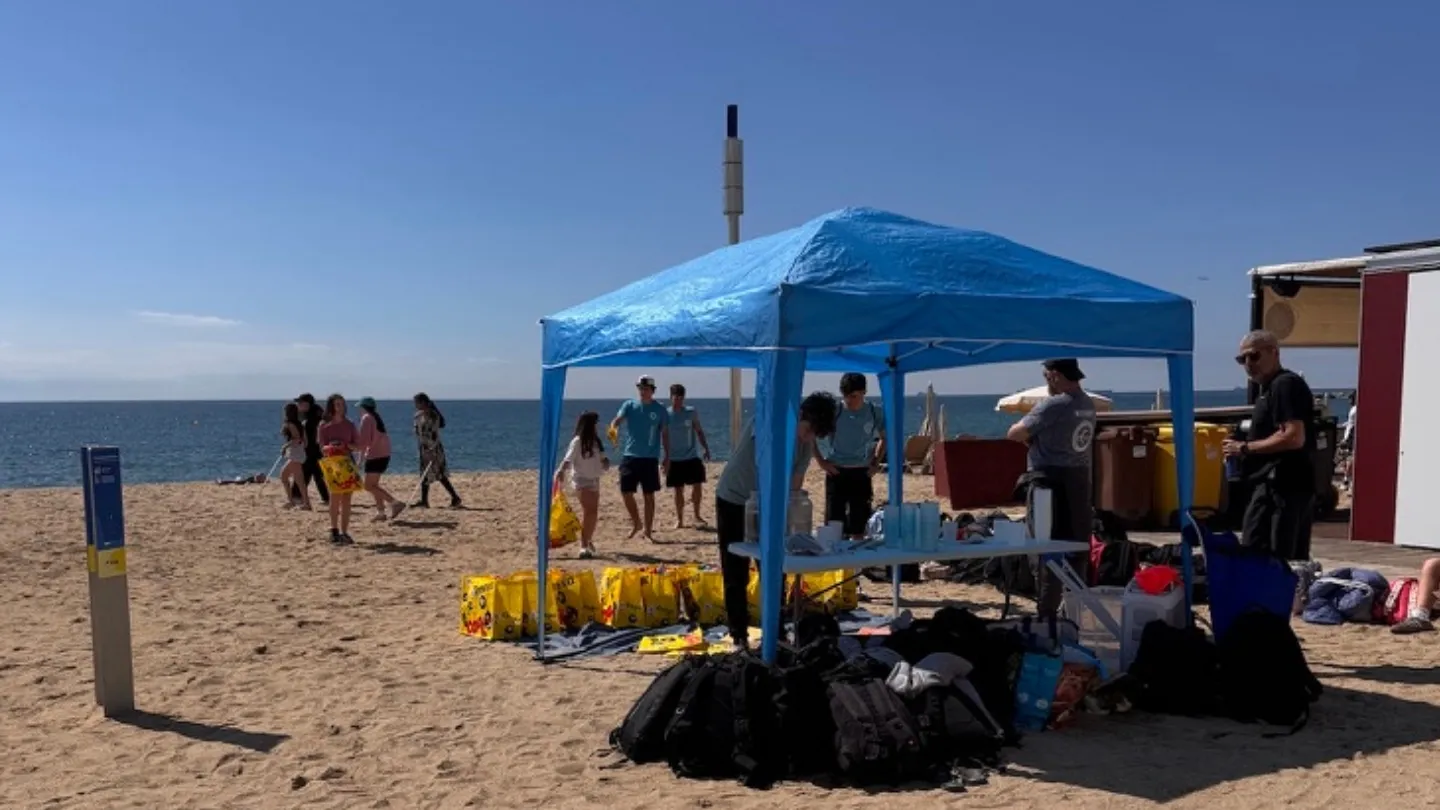
Organizing a beach cleanup is an excellent way to generate environmental and social impact: it strengthens community values ​​and actively contributes to protecting our coastal ecosystems. Here's how to do…

The importance of sustainability in human resources

Sustainability has become a fundamental pillar in all areas of an organization, including Human Resources (HR). Today we explain why, its benefits, and practical examples.